Choosing Commercial Locks for Different Types of Businesses
Every business has different security requirements, and the locks that work well for one property may not be appropriate for another. A retail storefront, office building, warehouse, medical practice, and apartment complex each have distinct patterns of foot traffic, employee access, and daily operations. Choosing the right commercial locks begins with understanding how the building is used and selecting hardware that supports both security and convenience.
Start with Access Requirements
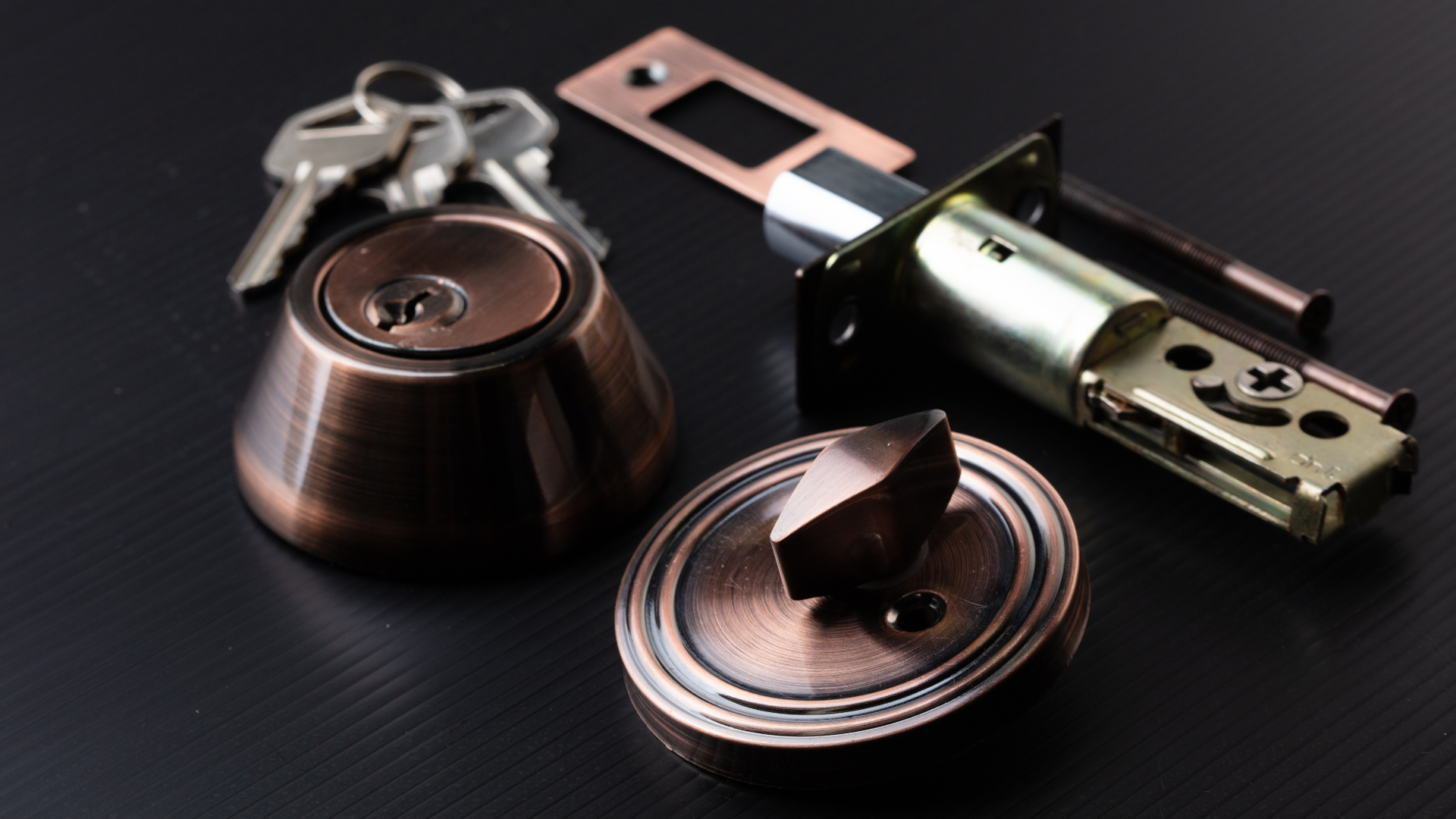
One of the first factors to consider is who needs access to the building. A small office with only a few employees may be well served by commercial-grade deadbolts and keyed entry locks. A larger business with multiple departments, restricted rooms, or frequent staffing changes may need a more organized system.
The goal is to provide employees with the access they need without giving every person unrestricted entry to the entire property. A professional locksmith can evaluate the layout of the building and recommend options based on how employees, managers, vendors, and maintenance personnel use the space.
Master Key Systems for Offices
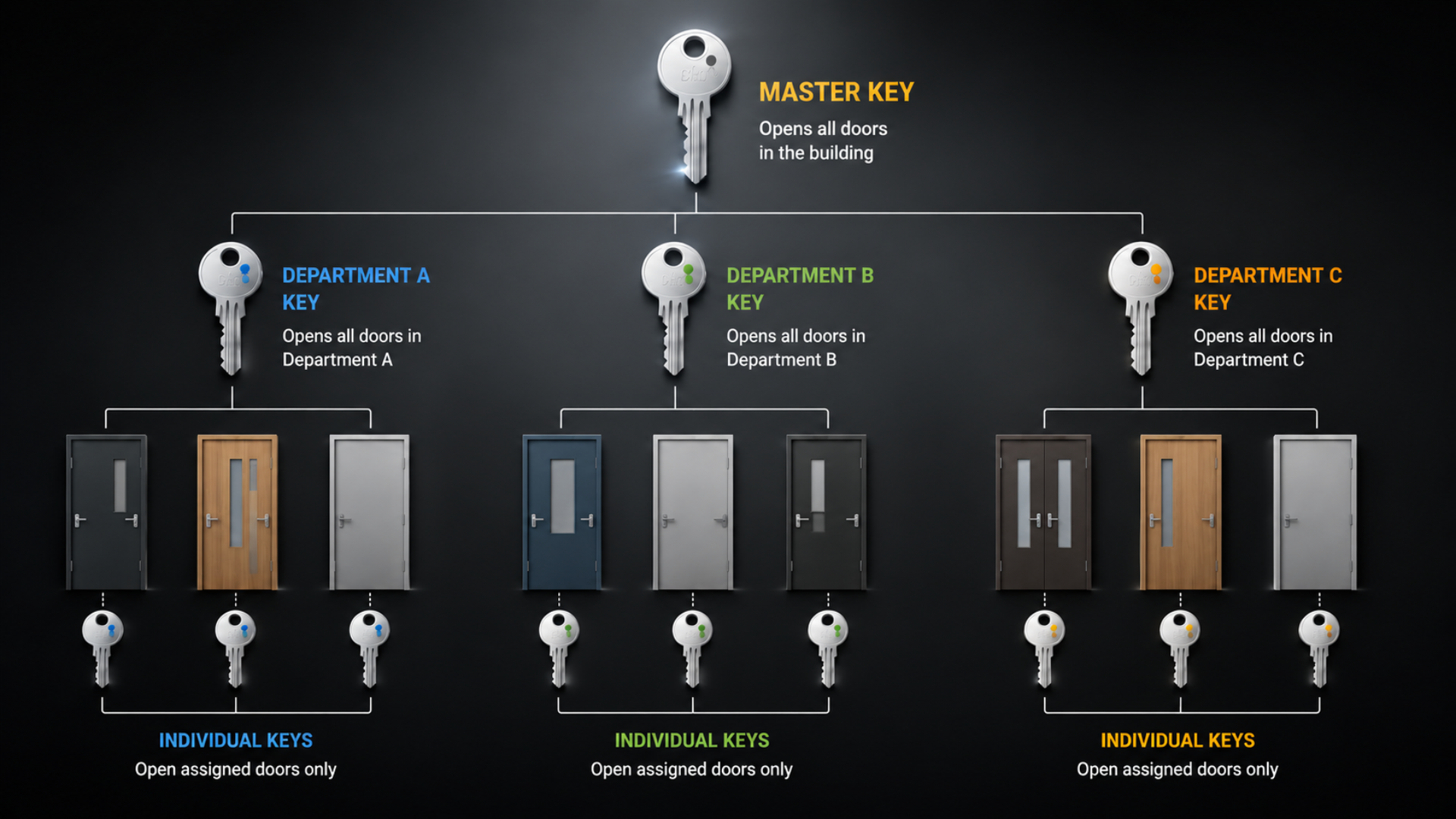
Many offices benefit from a master key system. This type of arrangement allows authorized managers or owners to use one key for multiple doors, while individual employees receive keys that open only designated areas.
For example, an employee may have access to the main entrance and a shared office but not to storage rooms, administrative offices, or areas containing sensitive records. A master key system can reduce the number of keys managers must carry while preserving different levels of access throughout the building.
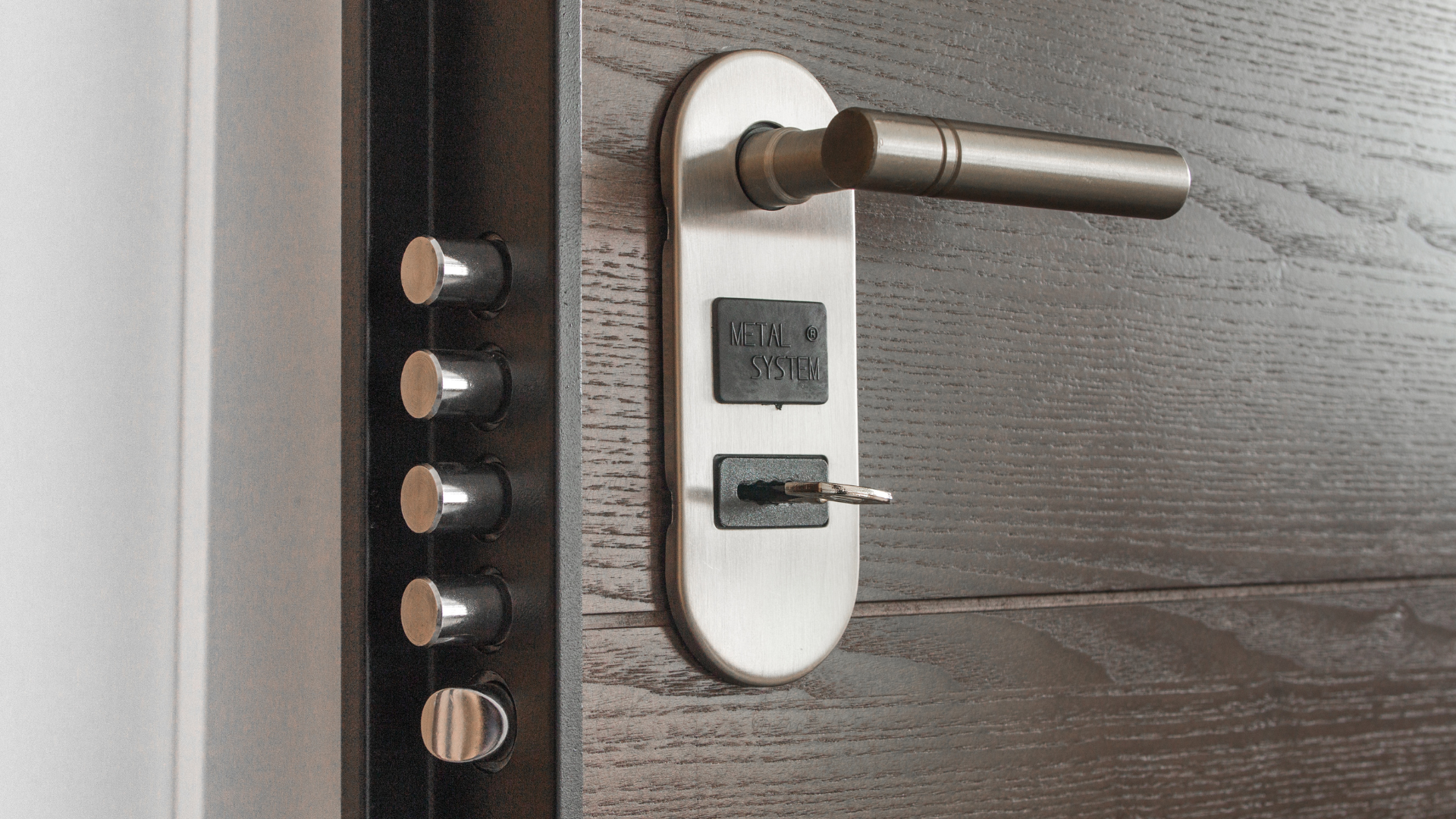
Durable Hardware for Retail Properties
Retail businesses often need locks that can withstand frequent use. Front entrances, employee doors, stockrooms, and offices may be opened and closed repeatedly throughout the day. Commercial-grade hardware is generally designed for heavier use than typical residential locks.
Retailers may also require different lock types within the same property. The public entrance may prioritize reliable everyday operation, while a stockroom or cash-handling area may require more controlled access. Selecting each lock based on the purpose of the door can create a more practical security plan.
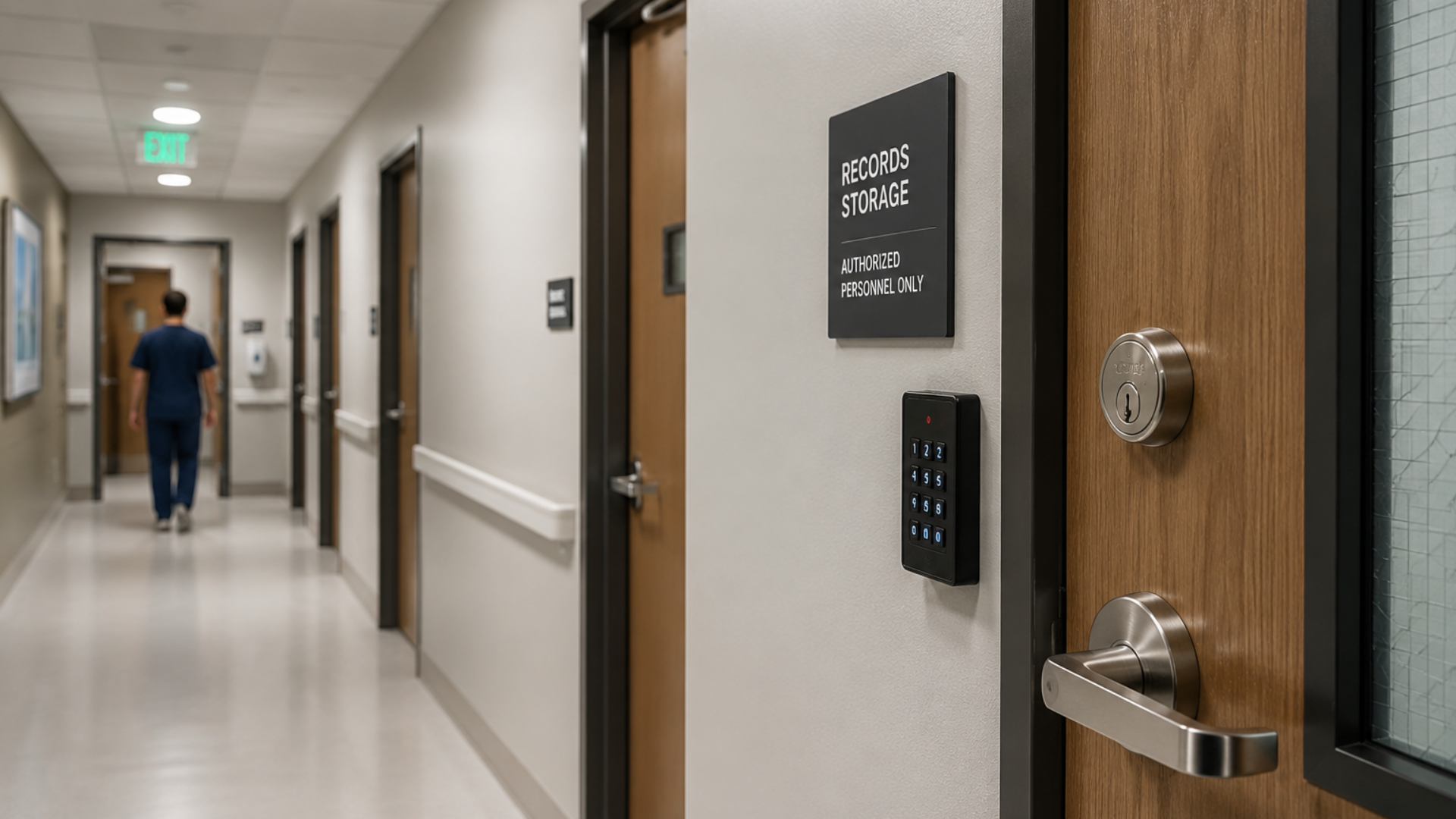
Privacy and Access in Professional Buildings
Medical offices, schools, and professional facilities often need to balance accessibility with privacy. Employees must be able to move efficiently through the building, while certain rooms, records, supplies, or equipment may require additional protection.
In these environments, the lock system should support daily workflow rather than create unnecessary obstacles. Keyed locks, restricted access areas,
keypad systems, or electronic credentials may be used in different parts of the same building depending on operational needs.
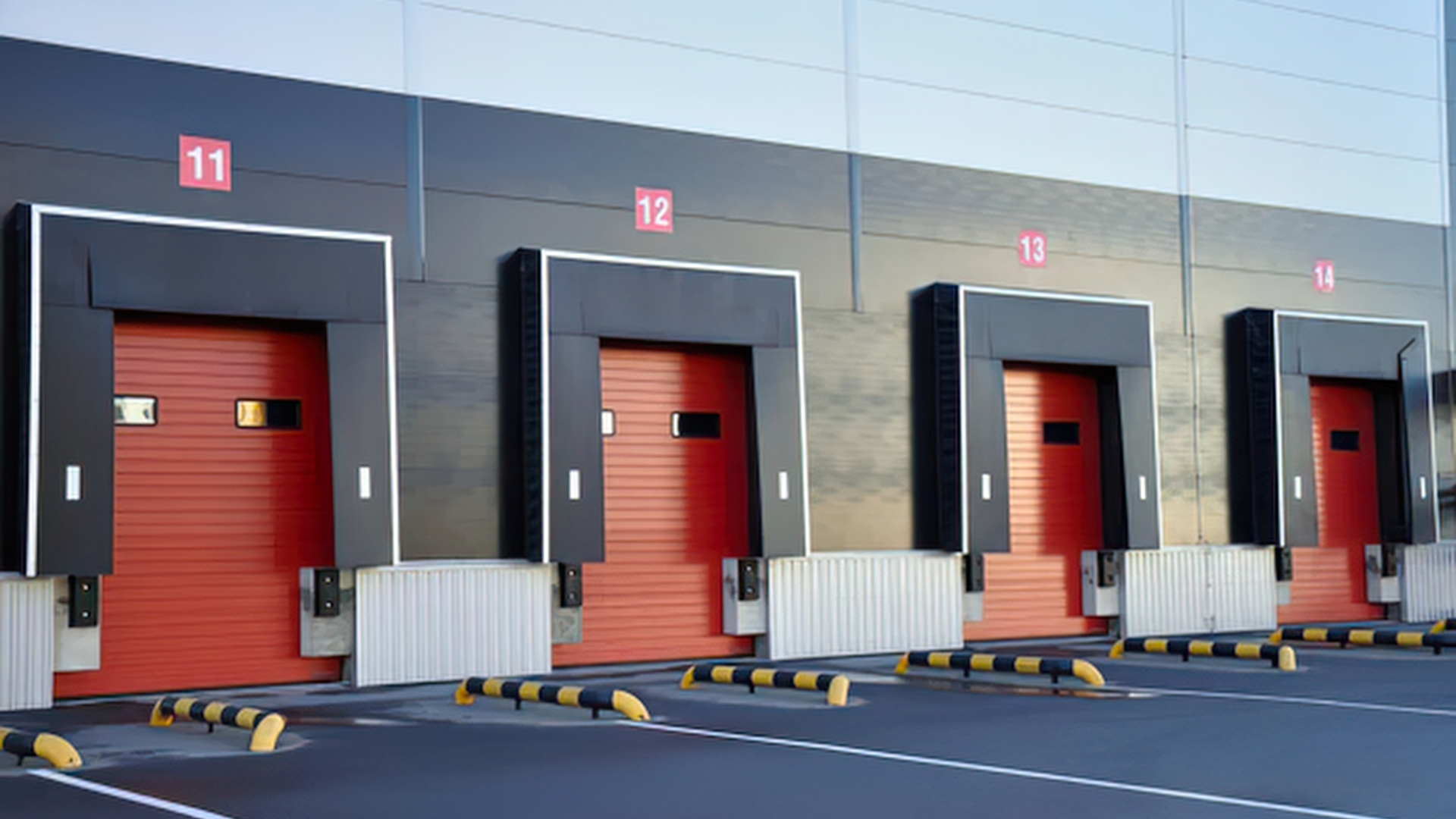
Security for Warehouses and Industrial Facilities
Warehouses and industrial properties frequently contain multiple exterior doors, loading areas, storage rooms, offices, and equipment spaces. A single type of lock may not be suitable for every access point.
These businesses may benefit from combining durable commercial locks with a master key system or
electronic access control. Electronic systems can help managers assign or remove access without collecting and replacing physical keys every time an employee leaves the company.
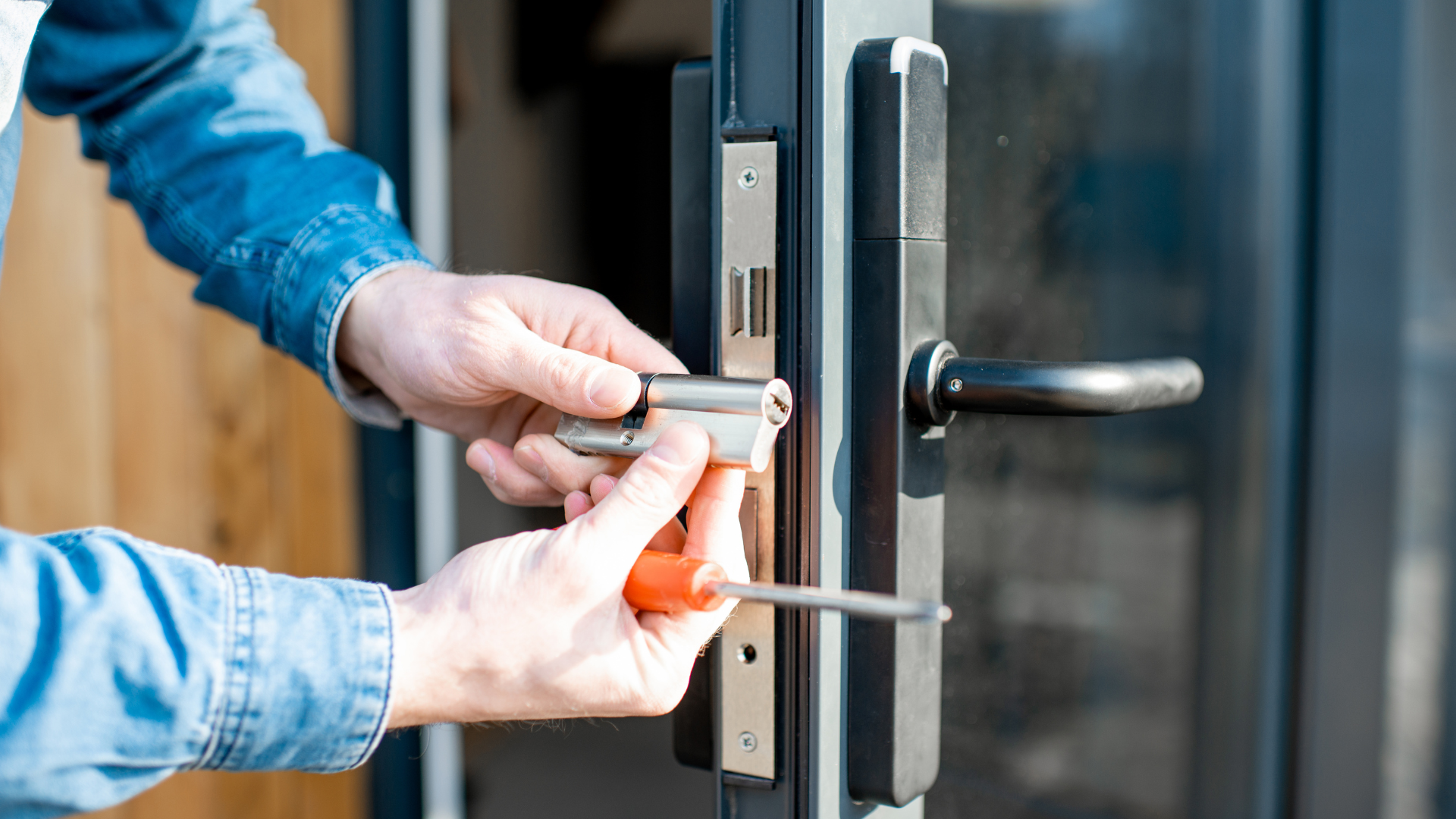
Options for Property Managers
Property managers and landlords must account for tenant turnover, maintenance access, shared areas, and emergency entry. Rekeying locks after a tenant moves out can help prevent old keys from continuing to work.
Shared entrances, utility rooms, leasing offices, and maintenance areas may each require different access levels. A structured key system can make it easier to manage multiple buildings or units without creating an oversized collection of unrelated keys.
Traditional Locks or Access Control?
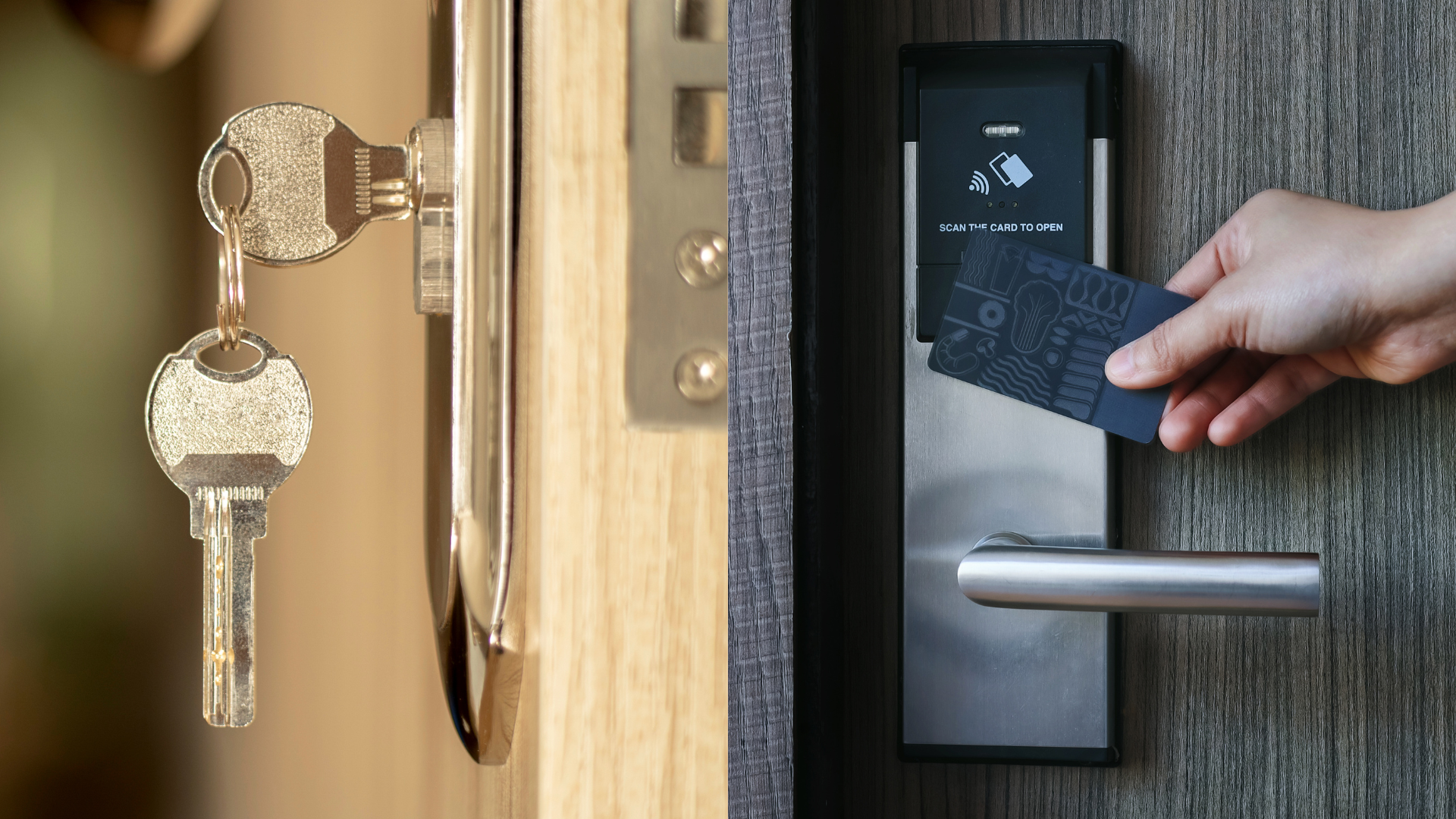
Electronic access control, keypad entry, and credential-based systems offer useful flexibility, but traditional keyed locks remain effective for many businesses. The best option depends on the size of the property, the number of users, the frequency of staffing changes, and the areas that require restricted access.
Some businesses benefit from a combination of both. Exterior doors may use electronic credentials, while interior offices or storage rooms continue to use commercial keyed locks.
Build a System Around Your Business
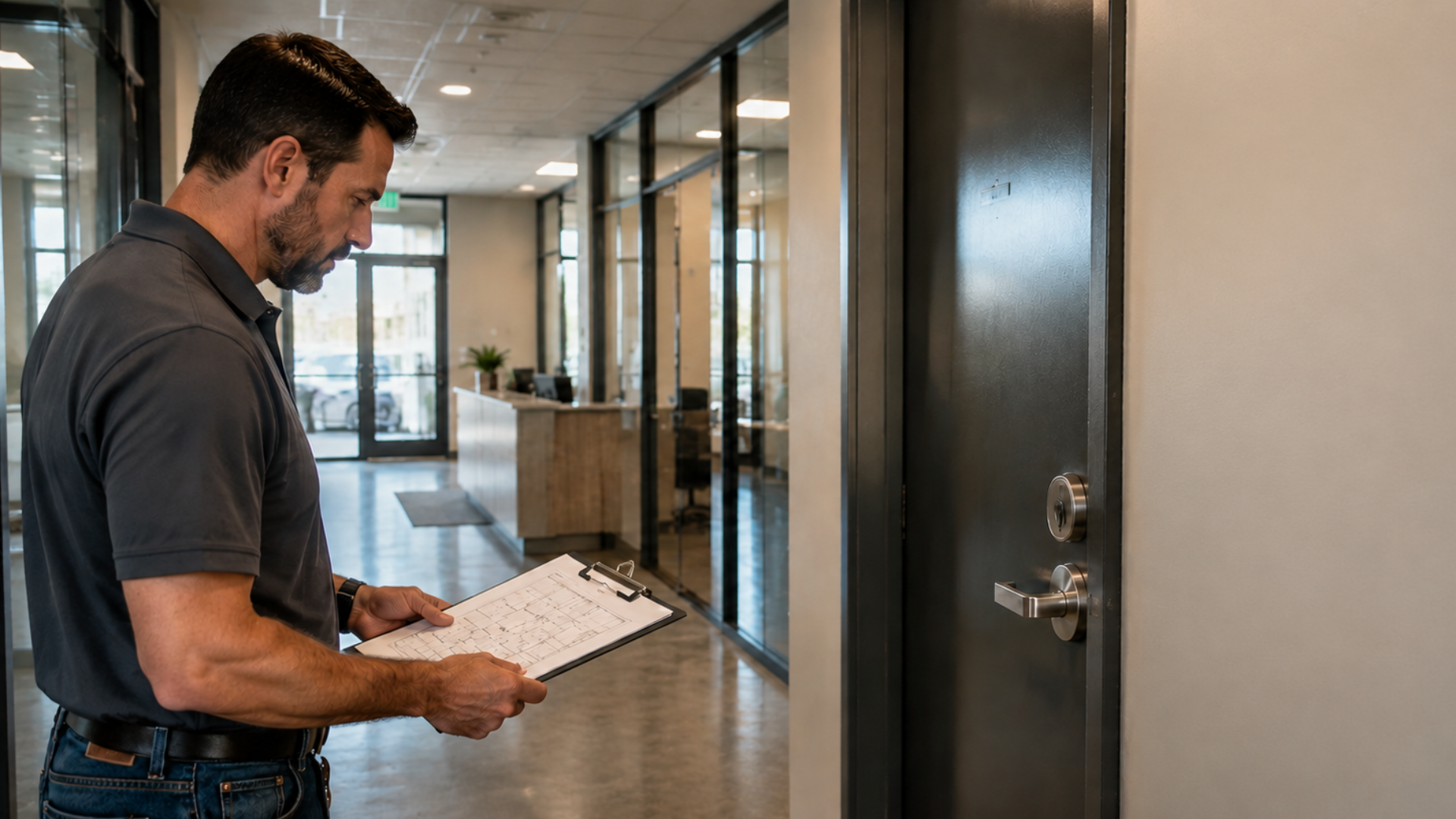
Choosing commercial locks is about more than securing individual doors. The complete system should reflect how employees, customers, vendors, and managers move through the property each day.
King’s Mobile Lock has served Kitsap County since 1972, providing commercial lock installation, rekeying, master key systems, access control solutions, and practical security guidance. Business owners and property managers can contact King’s Mobile Lock for help selecting commercial locks that fit the layout, operations, and access requirements of their property.
You might also like