
Why Employee Turnover Should Trigger a Security Review
Employee turnover is a normal part of running a business, but every staffing change can create a security issue if keys, access credentials, or entry permissions are not reviewed. Even when an employee leaves on good terms, business owners may not know how many physical keys were copied, which doors those keys open, or whether digital access is still active.
A routine security review after employee departures can help businesses maintain better control over who can enter the property and which areas they can access.
Start With Physical Keys
Traditional keys remain common in offices, warehouses, retail locations, restaurants, and other commercial properties.
When an employee leaves, the first step is usually collecting any keys that were issued. That may include keys for exterior doors, offices, storage rooms, filing areas, equipment rooms, or other restricted spaces.
The challenge is that returning the original key does not guarantee that another copy does not exist.
If there is uncertainty about how many copies may be in circulation, rekeying can provide a practical solution.
Rekeying changes the internal configuration of the lock so the previous key no longer works, while allowing the existing lock hardware to remain in place when appropriate.
Consider Who Had Access to What
Not every employee needs access to every part of a business.
Turnover is a good opportunity to review whether the current key system still matches the organization’s staffing structure. As businesses grow, keys are sometimes handed out gradually without a clear record of which employees can open which doors.
That can create unnecessary exposure.
A structured master key system can help businesses assign different levels of access. Managers may need broader access, while other employees only need entry to specific work areas.
Reviewing these permissions after staffing changes helps ensure access still reflects current responsibilities.

High-Security Keys Can Improve Key Control
Unauthorized duplication is another concern with traditional keys.
Standard keys may sometimes be copied without the business owner knowing. High-security or restricted key systems are designed to provide greater control over duplication, depending on the system selected.
For companies with frequent employee turnover or multiple access levels, stronger key control can make it easier to understand who has authorized copies.
A locksmith can help determine whether the existing system provides enough control or whether an upgraded commercial locking system would better fit the business.

Do Not Forget Electronic Access
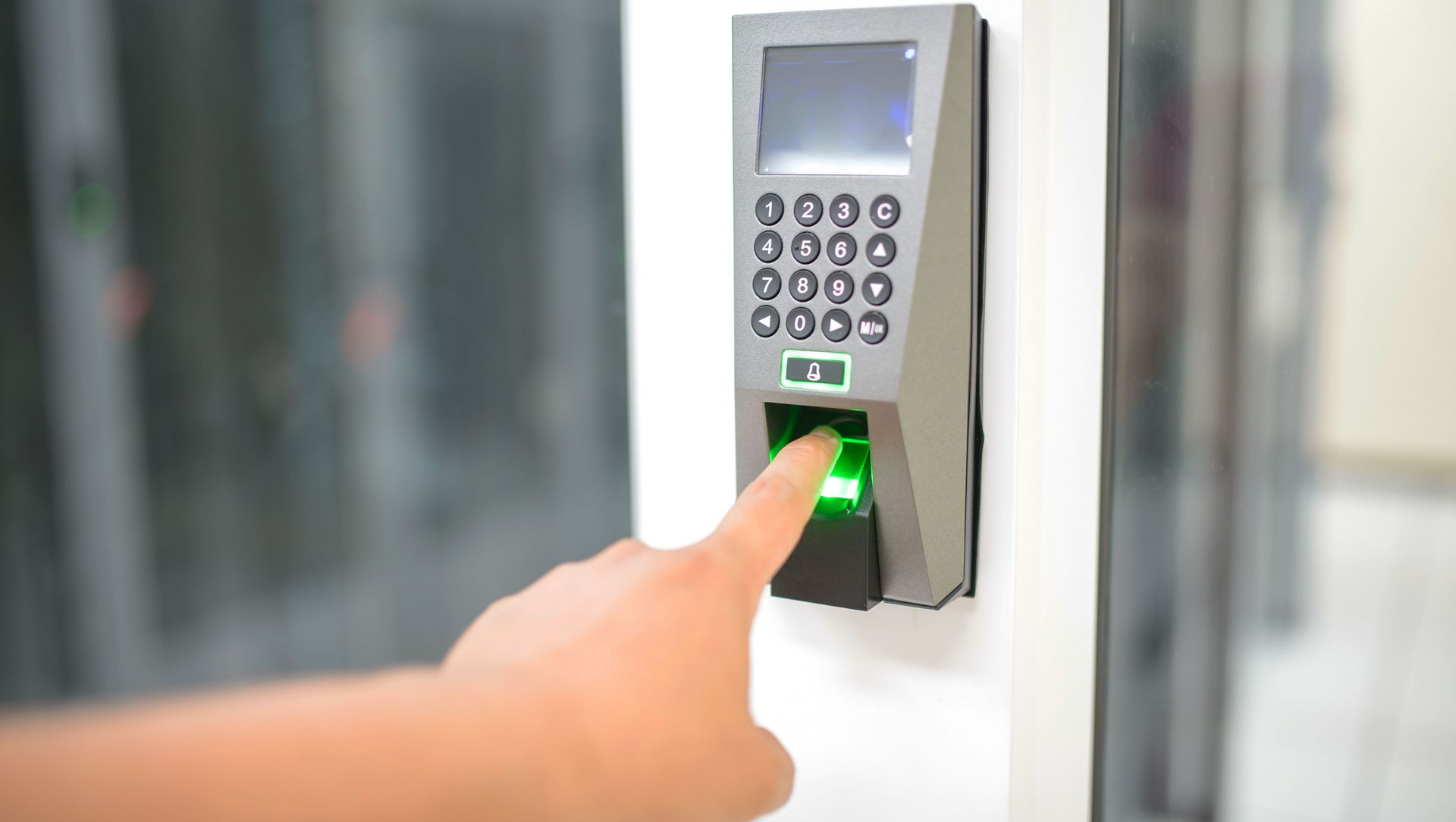
Many modern businesses use access control systems in addition to physical locks.
Employees may enter using cards, key fobs, codes, or other electronic credentials. When someone leaves the company, those permissions should be disabled promptly.
One advantage of access control is that individual credentials can often be removed without changing access for everyone else.
Turnover is also a useful time to review whether former employees, contractors, temporary workers, or vendors still have active credentials that are no longer necessary.
Combination Locks and Safes Need Attention Too
Employee access may extend beyond exterior doors.
If a departing employee knew the combination to a business safe, secure storage area, keypad, or other restricted system, consider whether that combination should be changed.
This is especially important when the employee had access to cash, sensitive records, valuable inventory, medications, confidential documents, or other protected materials.
Businesses should maintain a clear record of who is authorized to access these areas and update permissions whenever responsibilities change.

Keep an Access Record
Good security depends on organization as much as hardware.
Businesses can maintain a simple record showing which employees received keys, which doors those keys operate, when credentials were issued, and when they were returned or disabled.
This makes future security reviews much easier. It can also reveal when too many keys have accumulated over time or when a master key system needs to be reorganized.
Make Security Reviews Part of the Offboarding Process
Waiting until a security problem occurs is usually less effective than building access control into normal employee offboarding.
Whenever someone leaves, review physical keys, electronic credentials, combinations, restricted areas, and access records. Depending on the circumstances, the appropriate response may range from disabling one credential to rekeying several doors or redesigning the key system.
King’s Mobile Lock has served Kitsap County since 1972, providing commercial rekeying, master key systems, high-security locks, access control, lock repair, and 24/7 emergency locksmith service. If employee turnover has left you uncertain about who can access your property, contact King’s Mobile Lock for a professional security review and practical recommendations for restoring control over your business.





You might also like