Why the Back Door Often Deserves More Security Attention Than the Front
Homeowners naturally think about the front door first when they think about security.
It is the main entrance, the most visible access point, and usually the door with the best hardware.
But the back door can be just as important, and sometimes more vulnerable.
Rear entries are often less visible from the street, used more casually by family members, and connected to patios, garages, decks, or fenced yards where activity attracts less attention. That makes the back door worth evaluating as part of the home’s overall security plan.
Visibility Changes the Risk
A front door usually faces the street, neighboring homes, delivery traffic, or pedestrians.
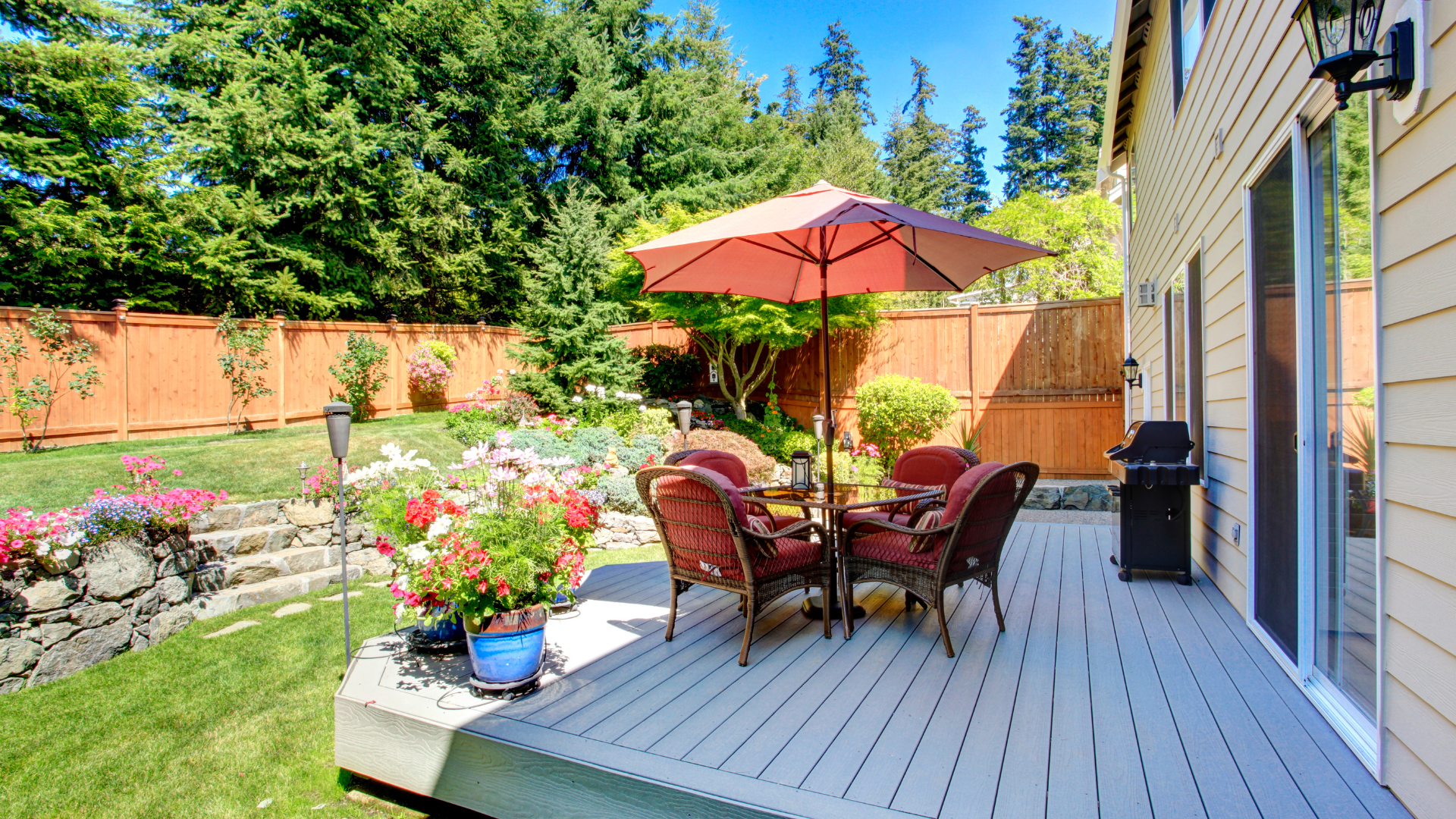
A back door may sit behind a fence, landscaping, or another structure.
That difference in visibility matters.
A person tampering with a rear entry may have more privacy than someone standing on the front porch.
Homeowners should not assume that a hidden door is automatically safer simply because fewer people can see it.
In many cases, the opposite may be true.
Rear Doors Often Get More Daily Use
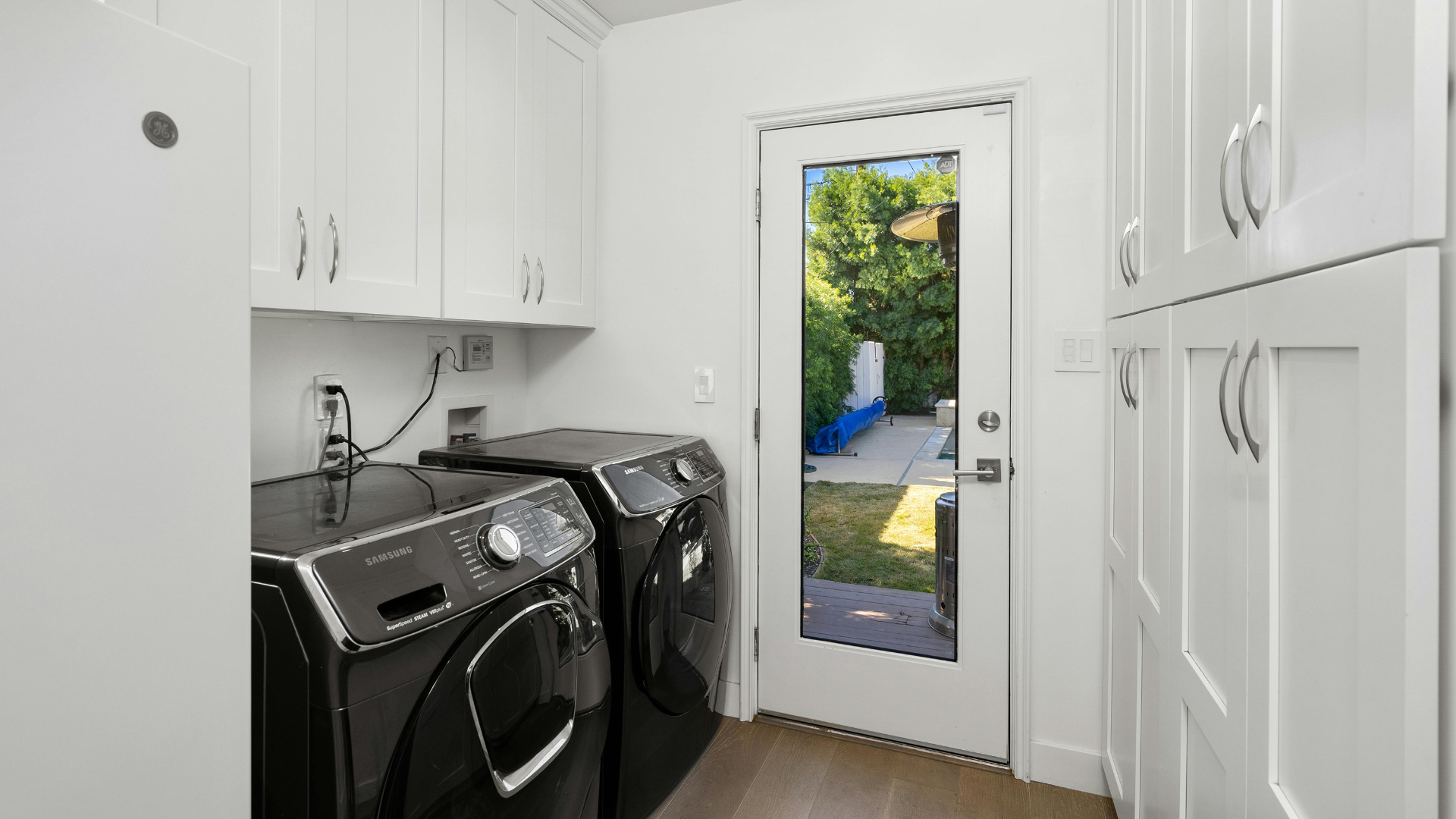
Back doors are frequently used for taking out trash, letting pets outside, accessing a deck, or moving between the house and garage.
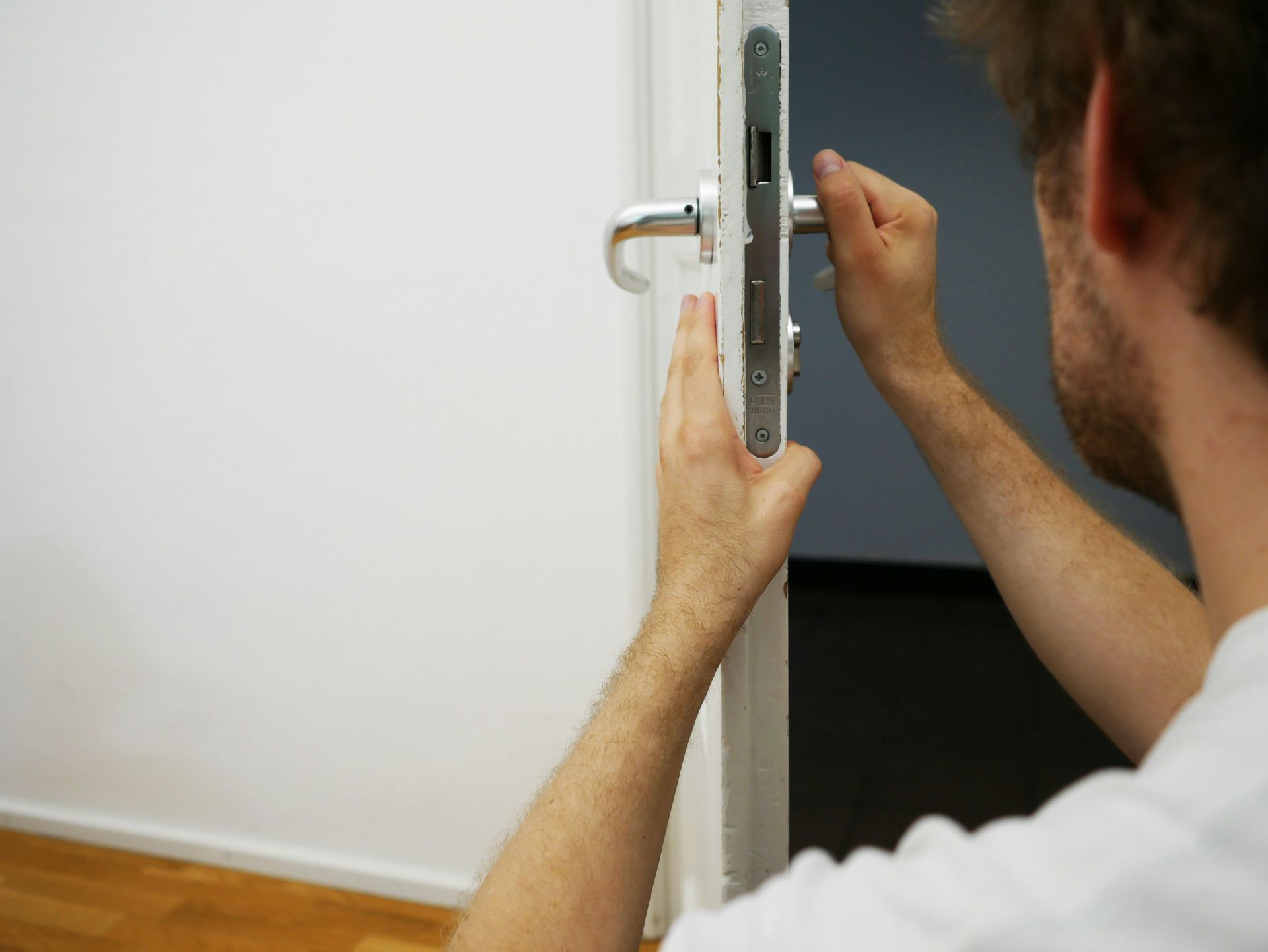
That repeated use can wear down locks, hinges, latches, and strike plates faster than expected.
A lock that starts sticking, a latch that does not fully engage, or a door that needs to be lifted slightly before it locks may be easy to tolerate day after day.
Those small problems can eventually affect how securely the door closes.
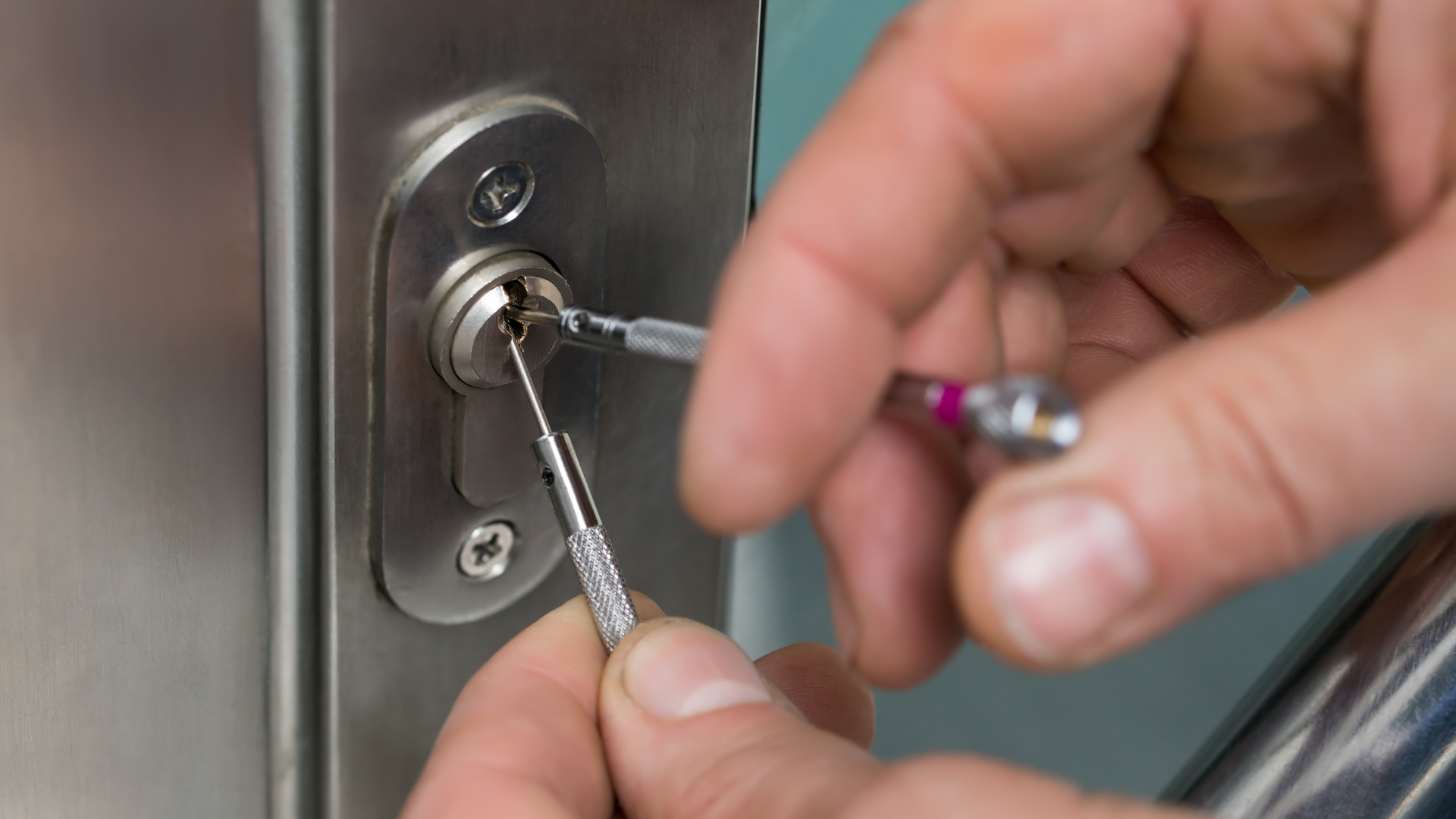
A professional locksmith can inspect the hardware and determine whether the issue is alignment, wear, or the lock itself.
The Lock Is Only Part of the Picture
Security depends on more than the deadbolt.
The door frame, strike plate, screws, hinges, and overall fit of the door all matter.
If the frame is weak or the strike plate is poorly secured, upgrading the lock alone may not solve the underlying vulnerability.
That is why residential security reviews should consider the complete entry point.
King’s Mobile Lock can help homeowners evaluate lock condition, rekeying options, hardware replacement, and other improvements rather than treating every door as an isolated part.
Spare Keys Can Become a Bigger Issue Over Time
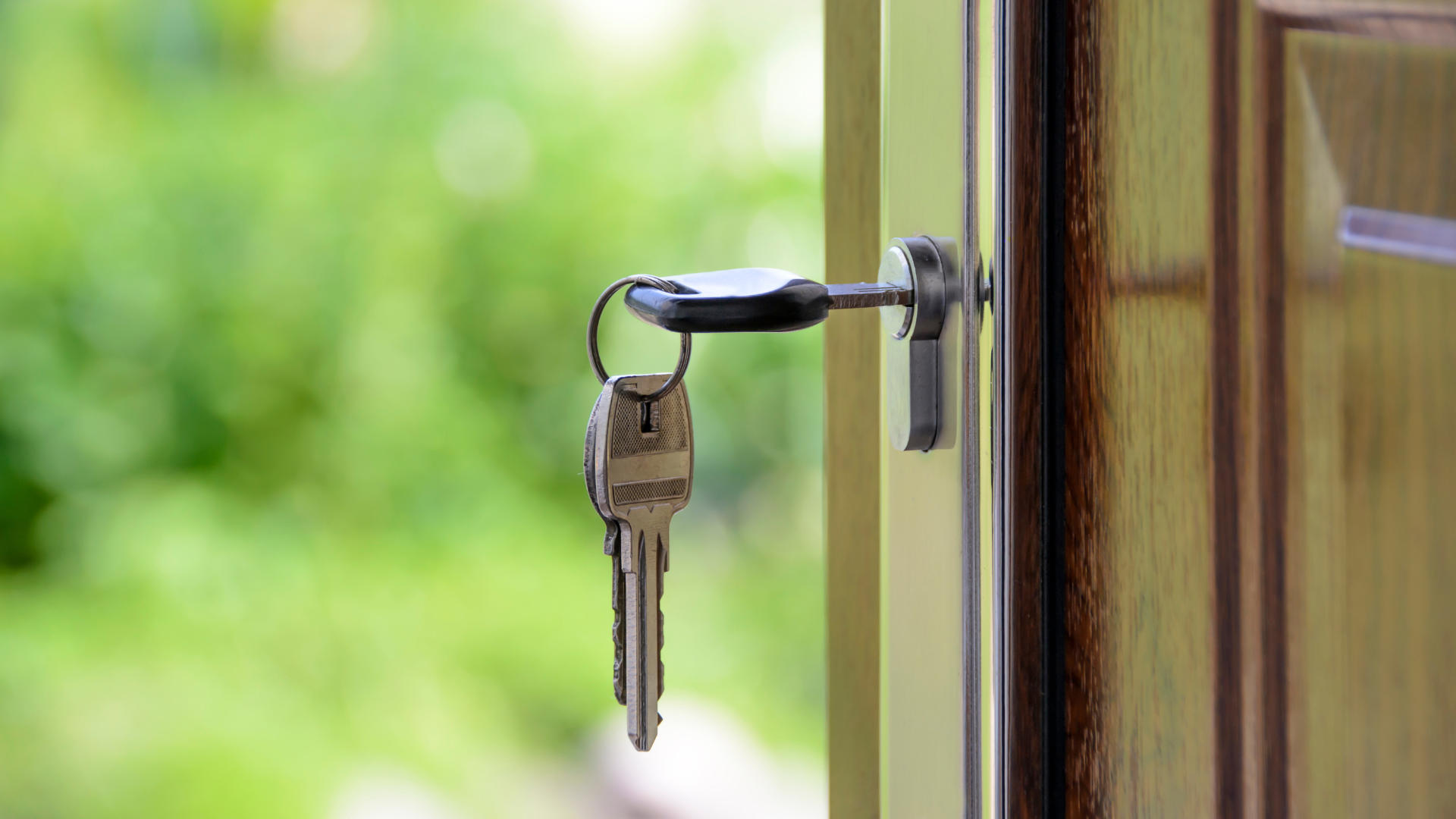
Back doors are also common places for spare-key habits to develop.
A neighbor may have one.
A family member may have another.
A contractor, pet sitter, or former roommate may have been given access at some point.
Over time, homeowners can lose track of how many copies exist.
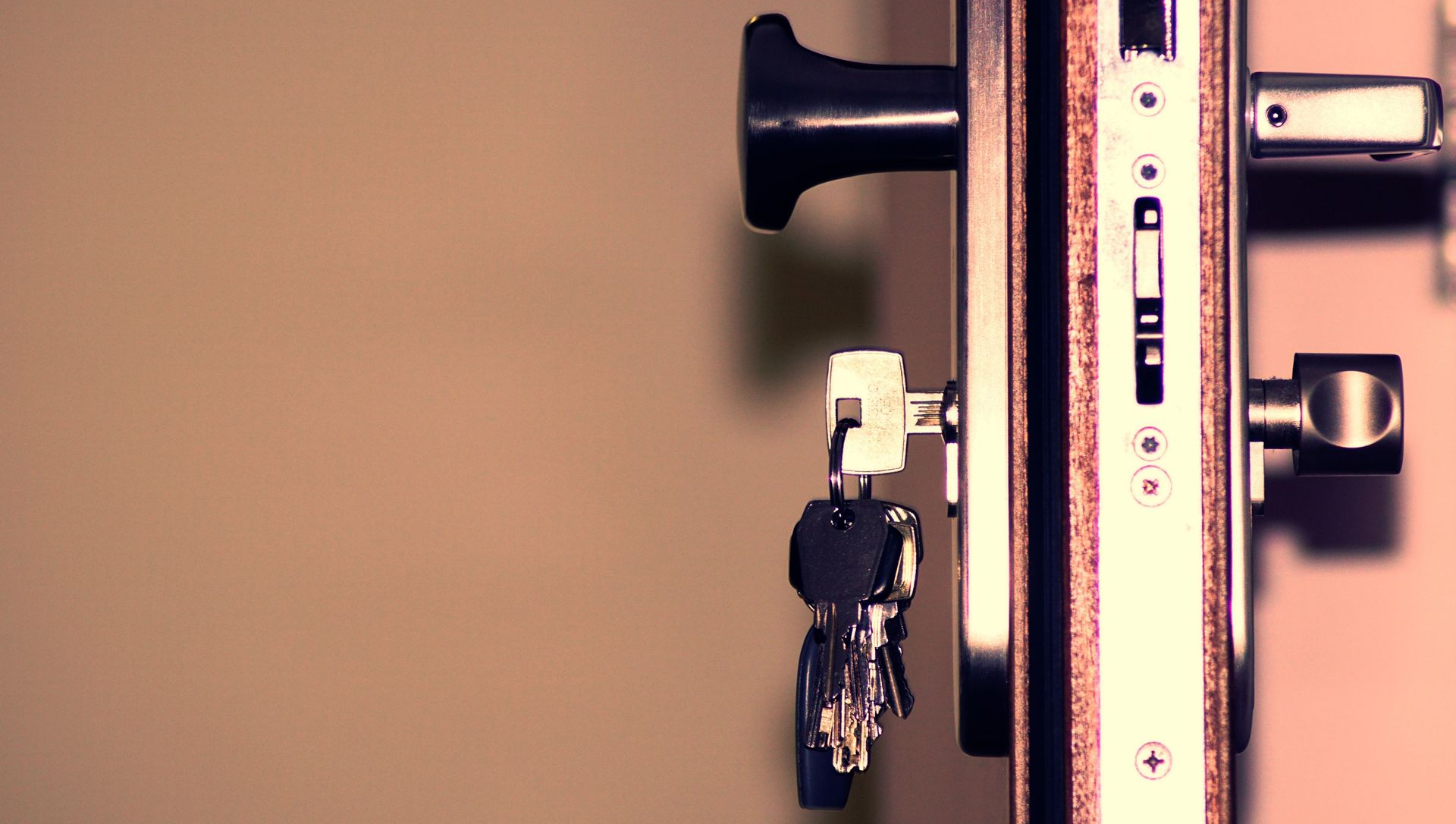
If there is uncertainty about who still has a key, rekeying can be a practical way to restore control without necessarily replacing the entire lock.
King’s Mobile Lock provides residential rekeying services that can help simplify access and reduce uncertainty about older key copies.
Convenience Should Not Override Security
Because the back door is used frequently, homeowners sometimes prioritize convenience.
Maybe the deadbolt is left unlocked during the day.
Maybe a door is difficult to lock, so it gets skipped.
Maybe family members rely on a hidden key nearby.
Those habits can create avoidable weak points.
Good security should still be practical enough that people will actually use it.
That may mean adjusting the door, replacing worn hardware, rekeying the lock, or installing a better-suited locking solution.
Do Not Forget Garage and Side Entries
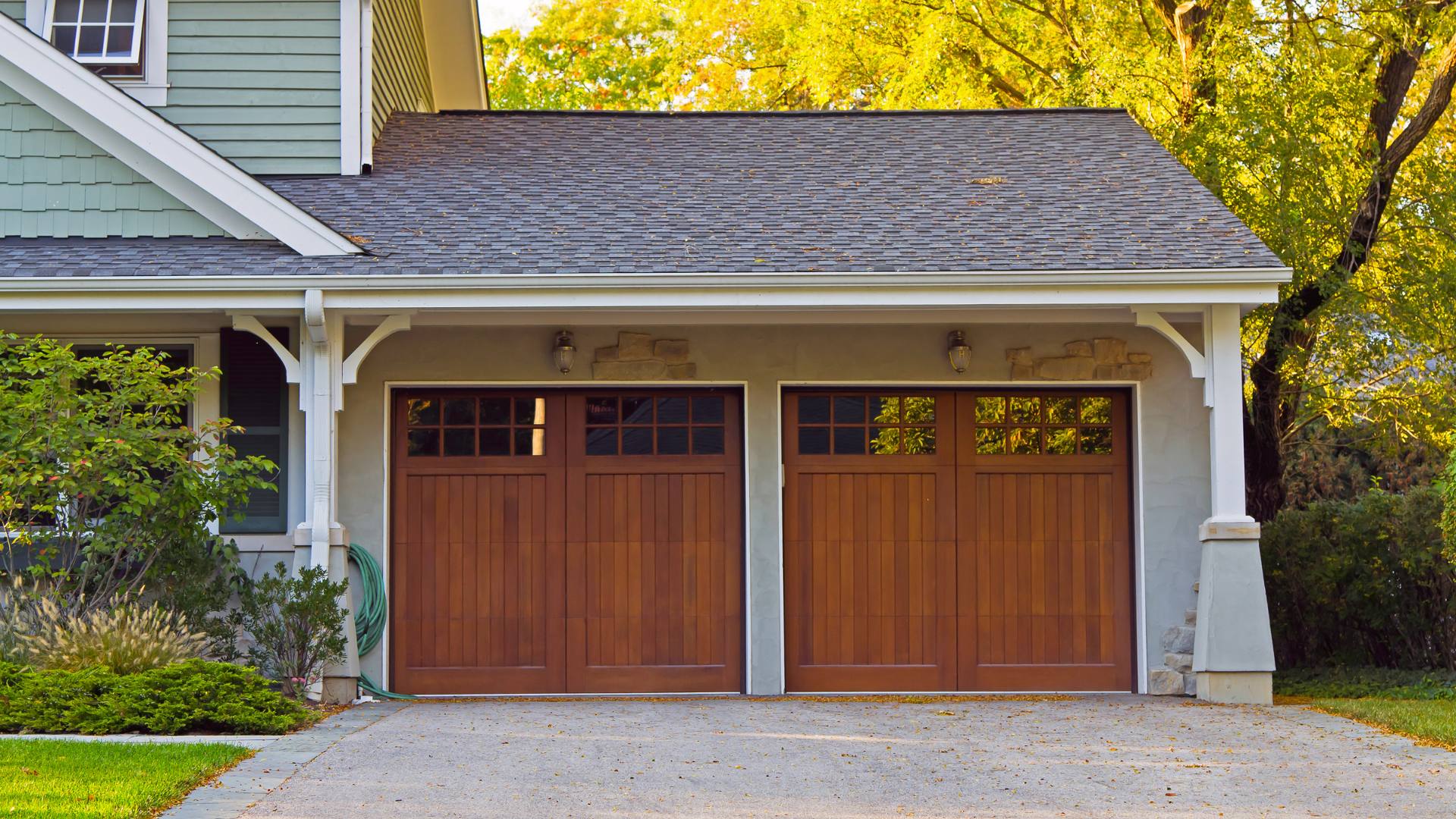
The same thinking applies to garage-to-house doors and side entrances.
These doors may not be visible from the street, but they often provide direct access into the home.
If they have older hardware, poor alignment, or unclear key control, they deserve the same attention as the front door.
A home security plan should cover every exterior access point, not just the most obvious one.
Give the Back Door the Same Attention as the Front
A strong front door is important, but it should not be the only well-secured entry.
Rear doors, side doors, and garage entries can all become weak points if they are overlooked.
King’s Mobile Lock has served Kitsap County and nearby communities since 1972, providing residential locksmith services, rekeying, lock installation and repair, emergency lockout assistance, and other security solutions.
If your back door is hard to lock, uses outdated hardware, or you are unsure who still has a key, contact King’s Mobile Lock for an evaluation and practical options to improve security throughout the home.
You might also like