Why Non-Destructive Entry Should Be the First Goal
Getting locked out is stressful enough without turning the problem into a damaged door, broken lock, or expensive replacement.
That is why non-destructive entry should be the first goal whenever possible.
A professional locksmith will typically look for the safest and least damaging way to regain access before resorting to drilling, forcing, or replacing hardware. For homeowners and businesses in Kitsap County, that approach can save time, reduce repair costs, and help preserve existing locks and doors.
Forced Entry Can Create a Much Bigger Problem
When someone is locked out, it can be tempting to pry a door, force the lock, or try improvised tools.
Those methods can damage more than the lock itself.
A forced entry attempt may bend the strike plate, split the door frame, scratch finishes, damage weather stripping, or break internal lock components.
What started as a simple lockout can quickly become a door-repair project.
Professional locksmiths are trained to evaluate the lock before deciding how to proceed.
Many Locks Can Be Opened Without Damage
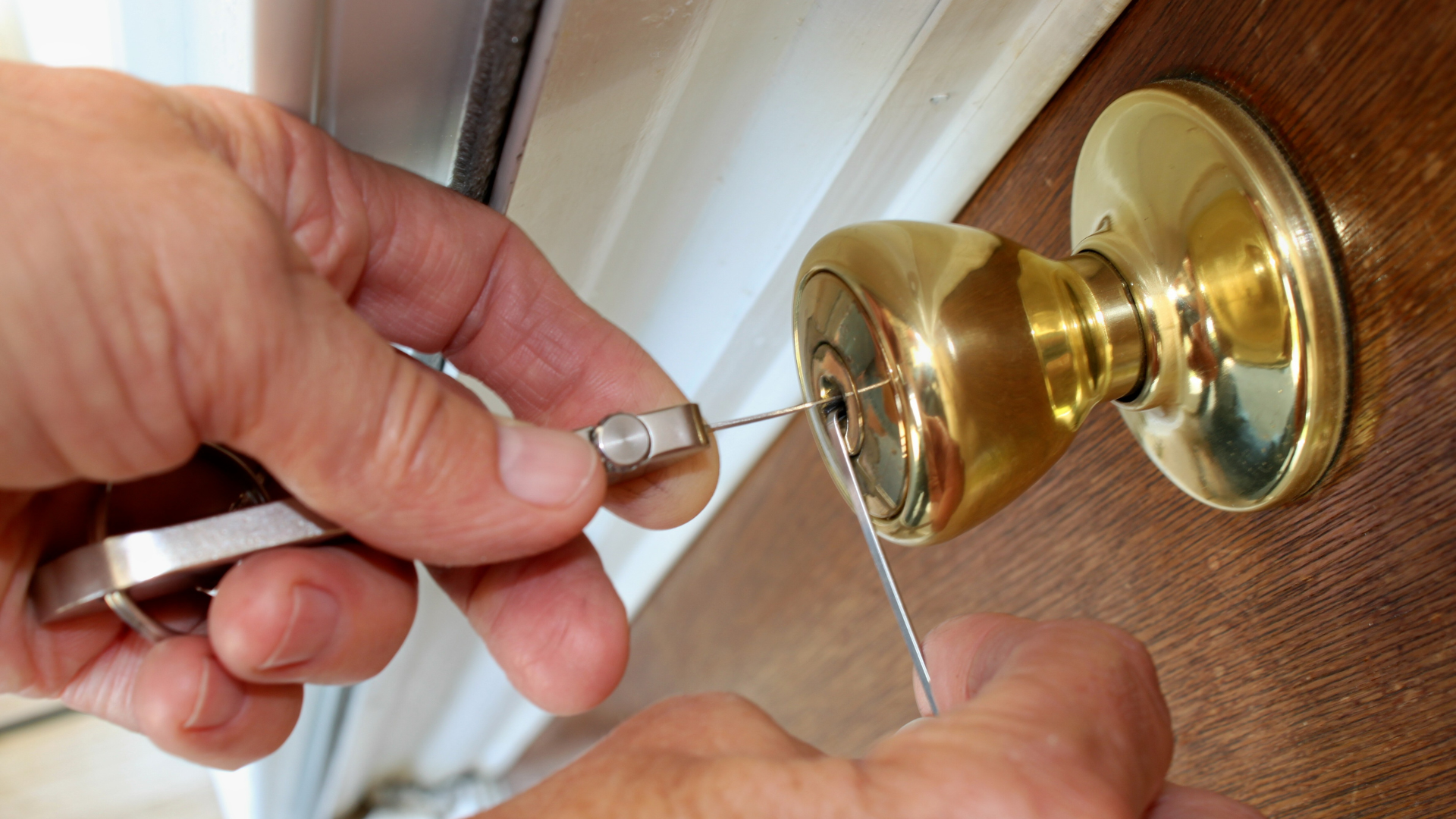
Depending on the type of lock and the situation, a locksmith may be able to use specialized tools and techniques to open the door without harming the hardware.
The exact method depends on factors such as lock design, condition, installation, and whether the lock is functioning normally.
The important point is that destructive methods should not be the automatic first step.
If the lock can be opened cleanly, there may be no need to replace it afterward.
Non-Destructive Entry Can Preserve Security
A lockout does not necessarily mean there is anything wrong with the lock.
The key may have been lost, left inside, or accidentally locked in another location.
If the lock itself is still secure and working properly, preserving it may be the most practical option.
Once access is restored, the homeowner or property manager can decide whether rekeying is appropriate.
For example, if a key is lost rather than simply misplaced inside the building, rekeying may provide additional peace of mind.
Drilling Should Usually Be a Last Resort
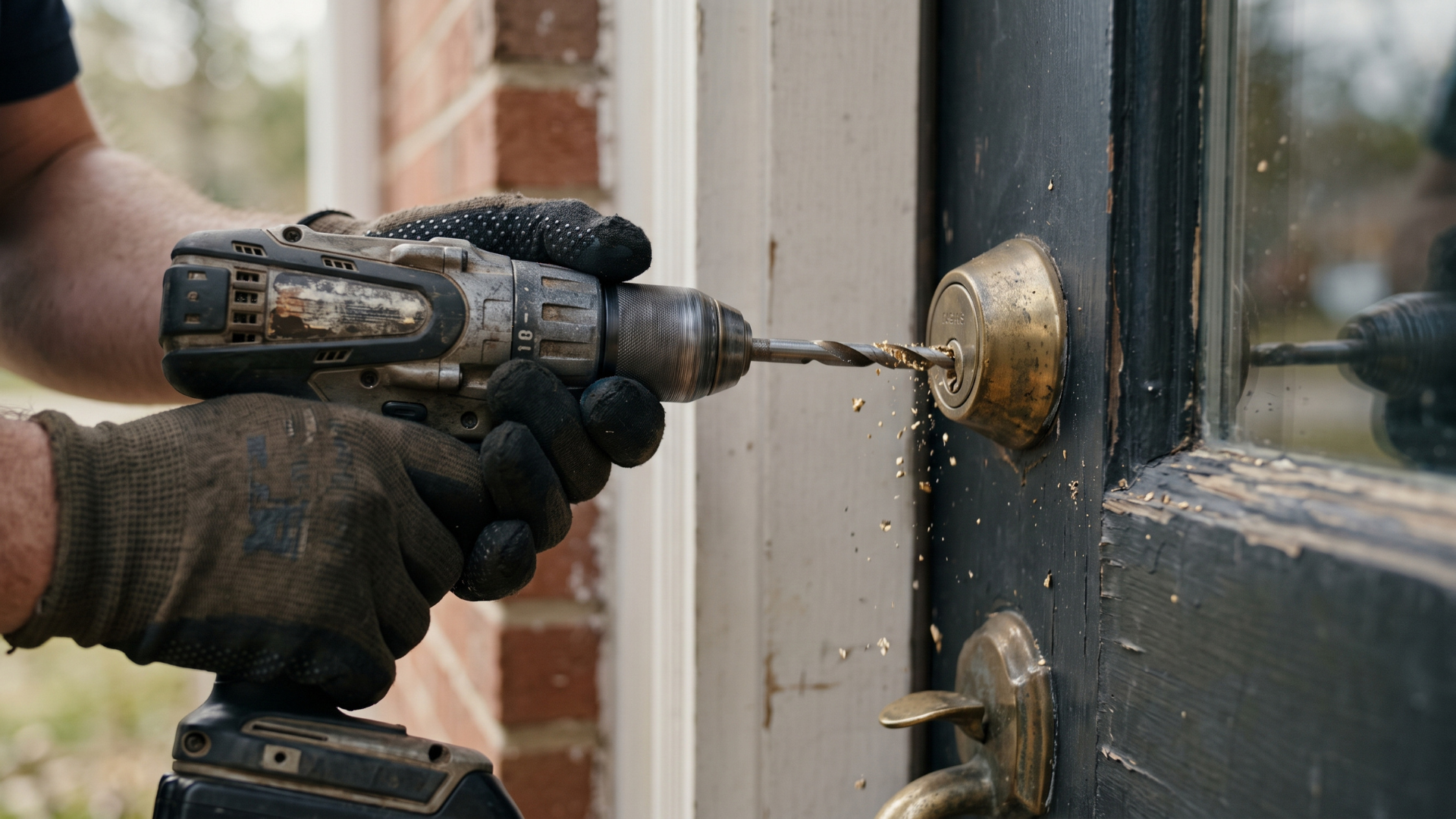
There are situations where destructive entry may be necessary.
A severely damaged lock, failed internal mechanism, high-security hardware, or other unusual condition can limit non-destructive options.
In those cases, drilling or replacing the lock may be appropriate.
The difference is that those methods should follow an evaluation, not come first simply because they are faster or easier.
A qualified locksmith can explain why a destructive method is necessary and what replacement options are available afterward.
Commercial Properties Benefit From the Same Approach
Non-destructive entry is especially valuable for businesses and commercial properties.
Damaging a storefront door, access-control component, or high-security lock can create both repair costs and operational disruption.
A careful entry strategy helps preserve existing hardware and can allow the business to resume normal access more quickly.
Property managers also benefit from having a locksmith who understands master key systems, commercial locks, and access-control hardware rather than treating every lockout the same way.
A Locksmith Should Verify Authorized Access
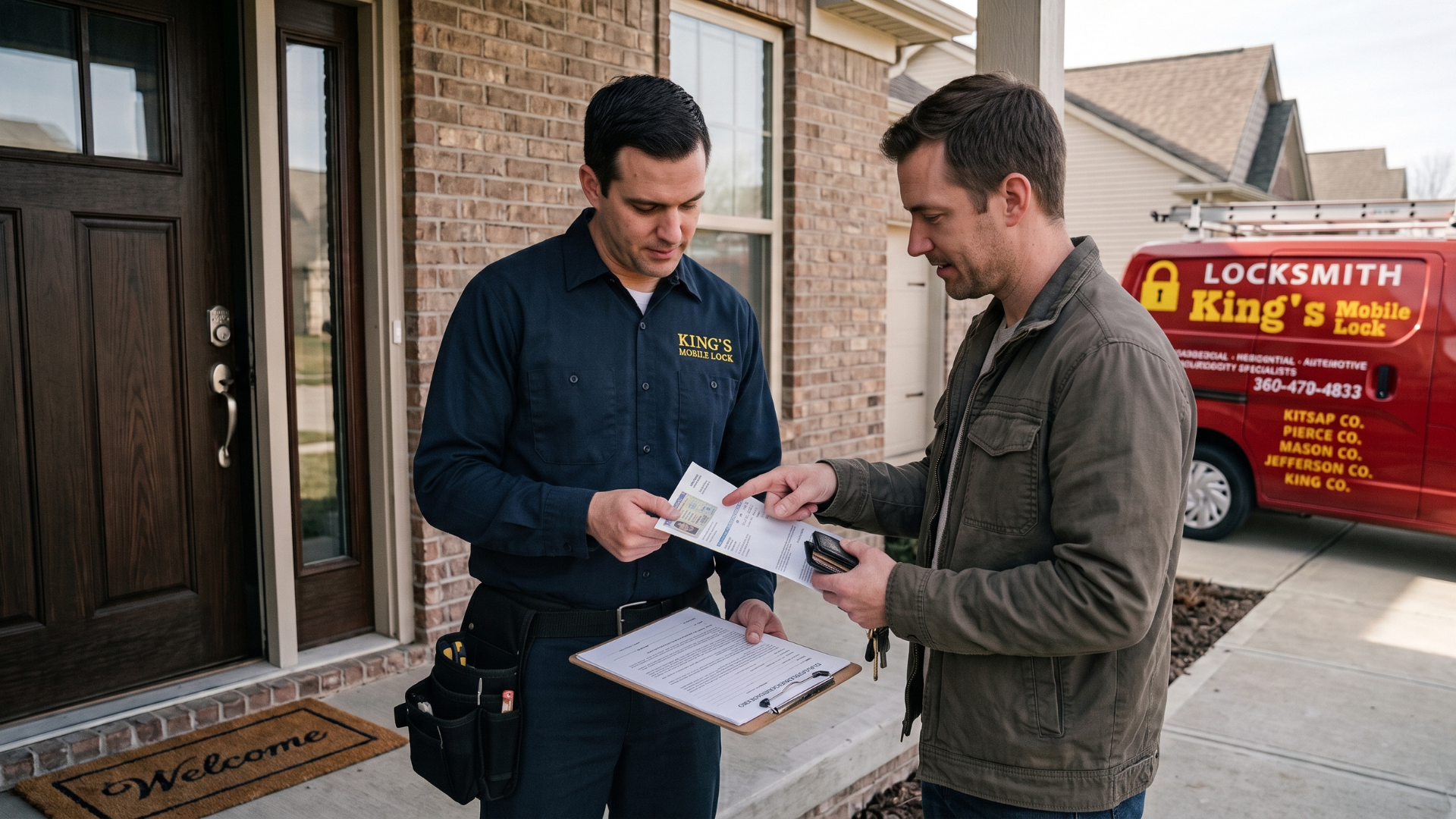
Professional locksmith service also includes confirming that the person requesting entry has legitimate authority to access the property.
That step protects homeowners, tenants, businesses, and property owners.
While it may add a moment to the process, verification is an important part of responsible locksmith work.
Security should not be sacrificed simply because someone is locked out.
Avoid Turning a Lockout Into a Repair Job
A lockout is usually an access problem, not a reason to destroy otherwise functional hardware.
Starting with non-destructive entry can help preserve the door, lock, frame, and surrounding finishes while keeping costs more manageable.
King’s Mobile Lock has served Kitsap County and nearby communities since 1972, providing residential, commercial, automotive, and safe locksmith services along with 24/7 emergency response.
If you are locked out of your home or business, contact King’s Mobile Lock. Their experienced technicians can evaluate the situation and pursue the least destructive solution available before considering more invasive methods.
You might also like