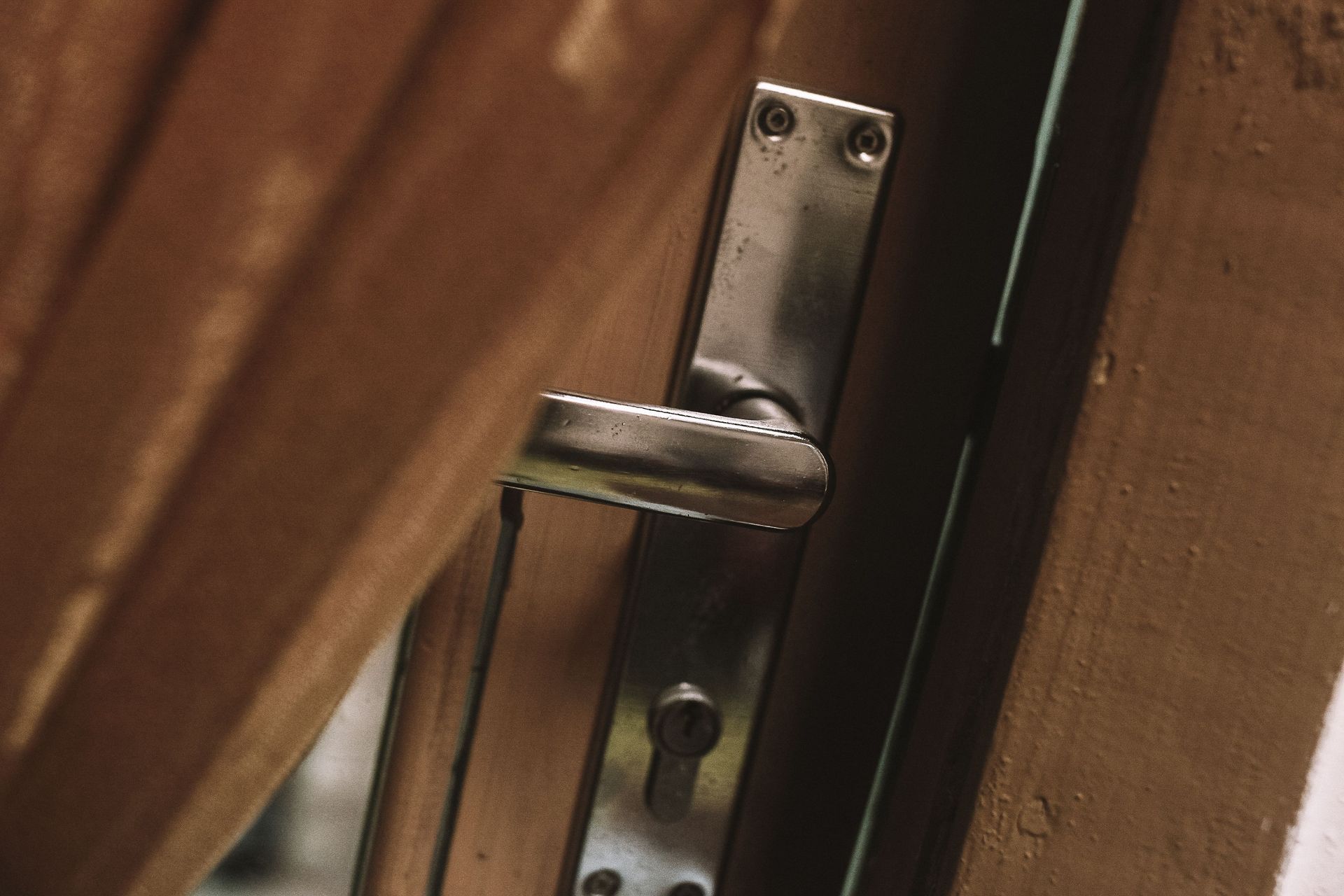
Why Exterior Locks Can Become Harder to Use During Wet Weather
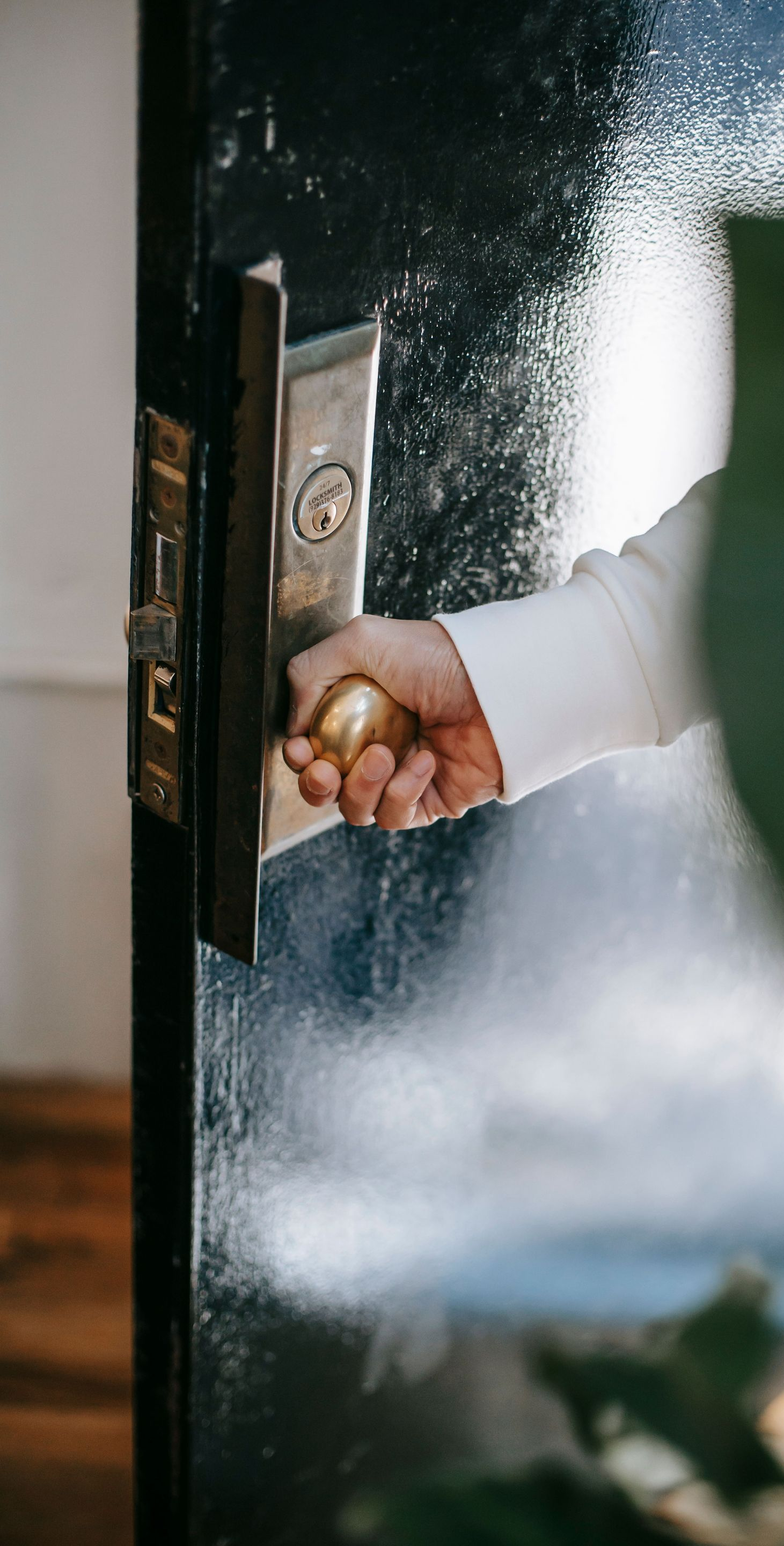
Exterior locks are exposed to changing temperatures, rain, humidity, dirt, and moisture throughout the year. In a place like Kitsap County, where wet conditions are common, that exposure can gradually affect how smoothly a lock operates.
A lock that becomes harder to turn during rainy weather may not necessarily be failing, but it can be a sign that moisture, corrosion, door movement, or internal wear is starting to interfere with normal operation.
Understanding the cause can help prevent a minor problem from turning into a lockout.
Moisture Can Reach the Lock Mechanism
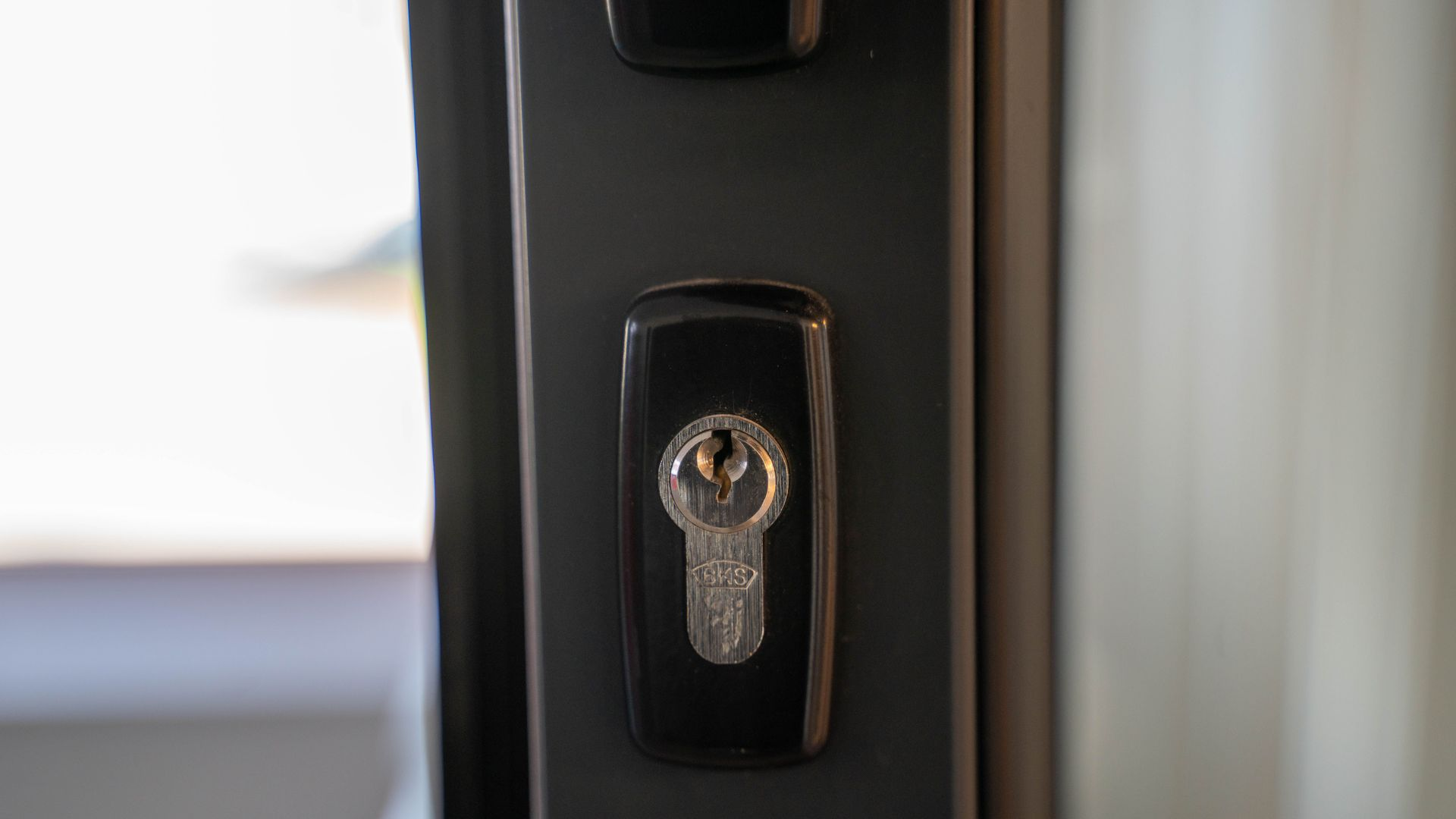
Exterior locks are designed to tolerate normal weather exposure, but repeated moisture can still work its way into small openings around the keyway and hardware.
Over time, that moisture can contribute to corrosion inside the lock cylinder or around moving components. Even a small amount of corrosion can increase friction.
The key may become harder to insert, harder to turn, or more likely to feel as though it is catching inside the lock.

Wet Weather Can Affect the Door Too
Sometimes the lock is not the real problem.
Wooden doors and frames can absorb moisture and expand slightly during damp weather. That movement can change the alignment between the latch, deadbolt, and strike plate.
When that happens, the lock may work normally while the door is open but become difficult to turn once the door is closed.
That is an important clue.
If the deadbolt operates smoothly with the door open but binds when the door is shut, alignment may be the issue rather than the lock cylinder itself.
Corrosion Can Build Gradually
Exterior hardware may develop corrosion slowly enough that the problem is easy to ignore at first.
The key may feel slightly rough one month and much worse several months later.
Locks near uncovered entrances, gates, garages, waterfront areas, or other highly exposed locations may experience more weather-related wear.
Visible rust around screws, faceplates, or the latch can be a sign that internal components may also be affected.
Dirt and Moisture Can Combine
Moisture can also trap dust, grit, and other debris inside the keyway. That combination can make the lock feel sticky or inconsistent.
A key that once moved smoothly may start requiring extra pressure or repeated attempts.
Forcing the key is not a good solution. If the lock is resisting, excessive force can bend or break the key inside the cylinder, creating a larger problem.

Lubrication Needs to Be Appropriate
Using the wrong lubricant can sometimes make a lock worse. Heavy oils may attract dust and create buildup inside the mechanism.
A locksmith can recommend or apply a lubricant appropriate for lock hardware without creating unnecessary residue.
If the lock is already corroded or mechanically worn, lubrication alone may not solve the problem. That is why diagnosis matters before assuming the lock simply needs to be sprayed.
Weatherstripping Can Affect Alignment
Weatherstripping helps seal exterior doors, but it can also create resistance if it becomes swollen, compressed unevenly, or poorly positioned. A door may need to be pushed or pulled firmly before the deadbolt lines up.
If the lock only works when extra pressure is applied to the door, the issue may involve weatherstripping, hinges, or frame alignment.
Fixing that underlying problem can restore smoother operation.
Do Not Wait Until the Lock Fails
A lock that is becoming progressively harder to operate deserves attention before it stops working completely.
Early service may involve adjustment, cleaning, lubrication, rekeying, or repair.
If the hardware is badly corroded, worn, or unreliable, replacement may make more sense.
The right solution depends on the condition of both the lock and the door.
Keep Exterior Locks Working Reliably
Wet weather can affect exterior locks through moisture, corrosion, debris, and changes in door alignment.
King’s Mobile Lock has served Kitsap County and nearby communities since 1972, providing residential, commercial, automotive, safe, and 24/7 emergency locksmith services.
If an exterior lock becomes harder to turn during rainy weather, contact King’s Mobile Lock before the problem turns into a lockout. A professional evaluation can help determine whether the issue is the lock, the door, the frame, or a combination of factors.



You might also like