What to Check After a Break-In Attempt Damages the Lock
A break-in attempt can damage much more than the visible face of a lock. Even if the door still closes and the key still turns, the lock, strike plate, frame, hinges, or surrounding hardware may have been weakened.
After any attempted forced entry, the priority is to determine whether the door can still secure the property reliably. A careful inspection can help identify hidden damage before the lock fails completely or the same entry point becomes vulnerable again.
Start With the Lock Itself
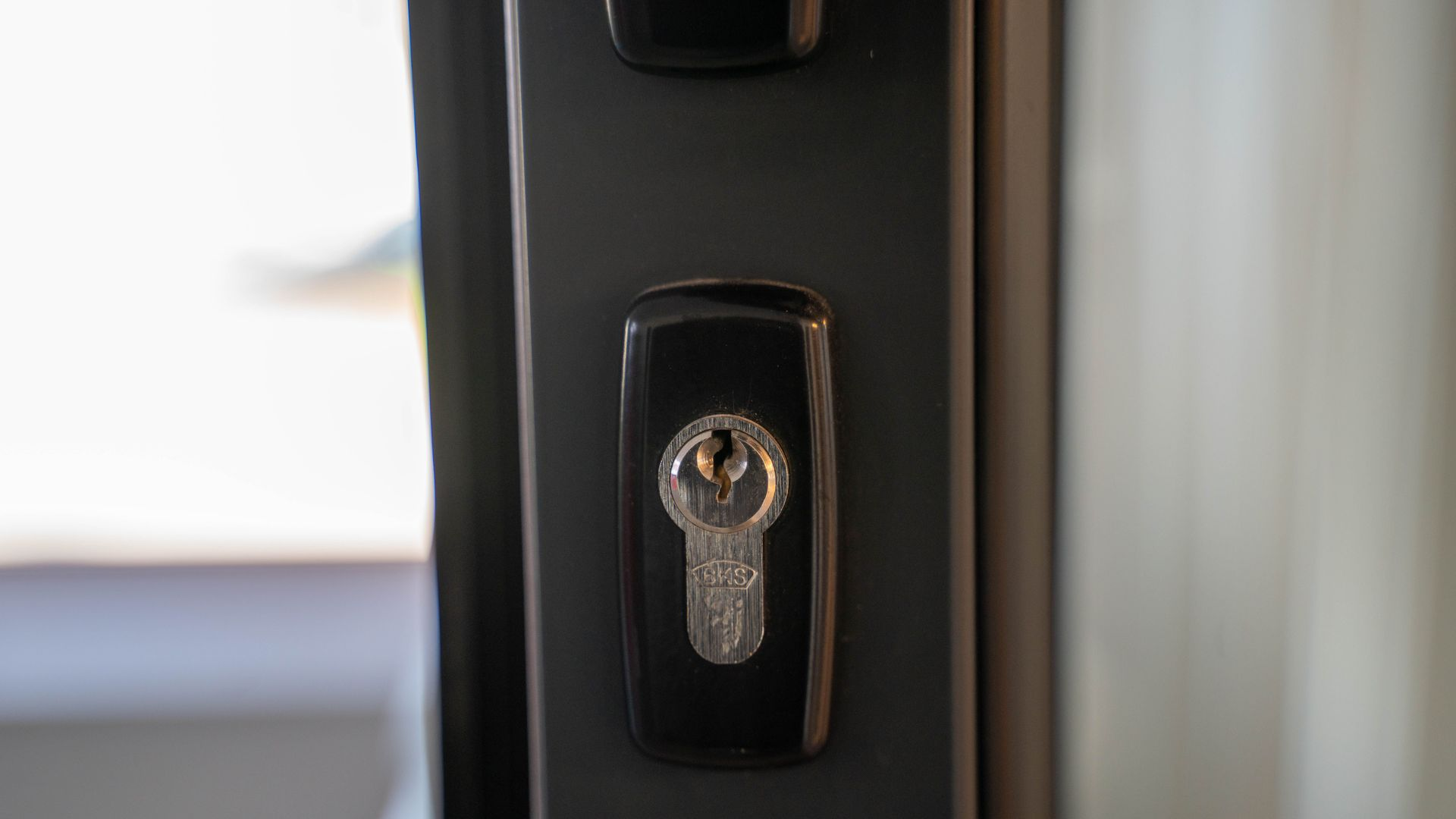
Look closely at the exterior and interior sides of the lock.
Scratches, dents, looseness, bent components, or damage around the keyway can all suggest that someone tried to pry, strike, drill, or manipulate the lock.
Test the key carefully. If the cylinder feels loose, the key is suddenly harder to turn, or the lock no longer operates smoothly, internal damage may be present even if the lock still functions.
A damaged lock should not be assumed secure simply because it still opens and closes.
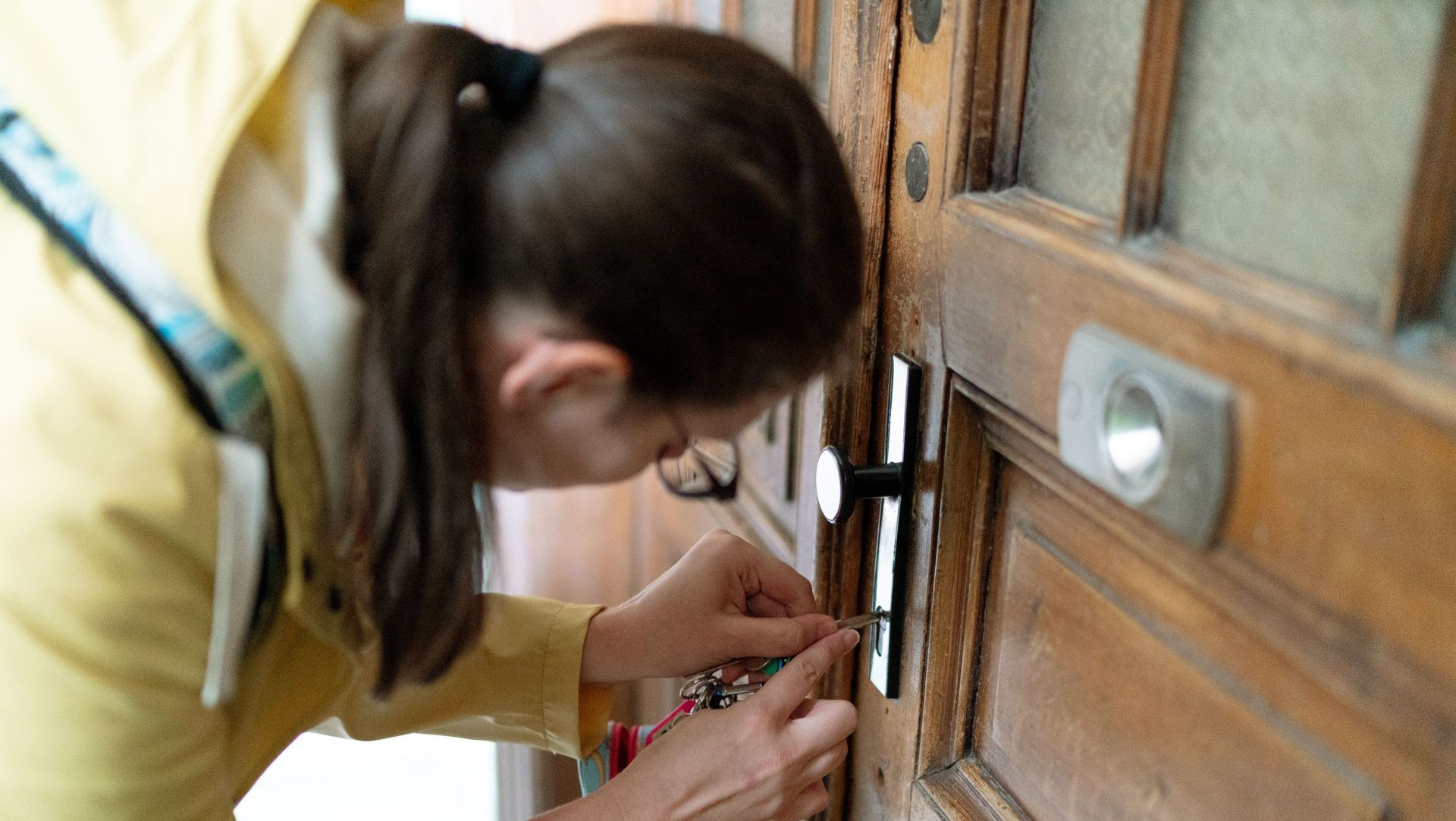
Check Whether the Deadbolt Fully Extends
A deadbolt should extend completely into the strike plate without excessive resistance.
After a forced-entry attempt, the bolt may become bent or the door may shift enough that the bolt no longer lines up correctly.
Try locking and unlocking the door while it is open and then again while it is closed.
If the deadbolt works smoothly with the door open but becomes difficult when the door is closed, the problem may involve door or frame alignment rather than the lock mechanism itself.
Inspect the Strike Plate
The strike plate is the metal plate mounted to the door frame where the latch or deadbolt enters.
During a break-in attempt, this area can absorb considerable force.
Look for:
- Bent metal
- Loose screws
- Cracked wood
- Enlarged screw holes
- Splintering around the frame
- Movement when pressure is applied
A lock can be strong while the surrounding frame is weak. If the strike plate has pulled away from the frame or the wood around it has cracked, the door may no longer provide the same level of resistance.
Look Closely at the Door Frame
The frame often shows evidence of force before the lock itself does.
Check for cracks, separation, splintering, or sections that appear to have shifted.
Even relatively small frame damage can affect how the lock engages.
A damaged frame can also cause the door to sag or sit differently in the opening, which may explain why a lock suddenly feels tight or fails to latch properly.
Check the Hinges
Do not focus only on the lock side of the door.
Inspect the hinges for bent hardware, loose screws, or movement. Strong force against a door can affect the entire assembly.
If the hinges have shifted, the door may no longer hang squarely in the frame.
That can create alignment problems and make a properly functioning lock appear defective.
Test Every Exterior Lock
If someone attempted to enter through one door, it is wise to check the rest of the property.
Inspect other exterior doors, garage entry doors, gates, and accessible windows for signs of tampering.
Look for scratches, pry marks, damaged hardware, or locks that suddenly feel different.
A broader review can help determine whether the attempted entry involved a single point or several areas.
Consider Rekeying or Replacing the Lock
If the lock was physically damaged, replacement may be necessary.
Rekeying may also be appropriate in some situations, particularly if keys are missing or there is any reason to believe an unauthorized person could have obtained one.
The right solution depends on the condition of the hardware.
A locksmith can determine whether the existing lock remains serviceable, whether it can be repaired, or whether replacement with new or higher-security hardware makes more sense.
Do Not Ignore “Minor” Damage
A lock that still works after an attempted break-in may seem good enough.
The problem is that weakened internal parts, damaged mounting points, or a compromised frame may not fail until the next time the door is forced or even during normal use.
Addressing small problems early can help prevent a future lockout or security failure.
Restore Security Before Returning to Normal
After a break-in attempt, the goal is not simply to make the door close again. The entire locking point should be evaluated to make sure the lock, strike plate, frame, and surrounding hardware are still working together properly.
King’s Mobile Lock has served Kitsap County since 1972 and provides residential, commercial, automotive, safe, rekeying, high-security, access-control, and 24/7 emergency locksmith services.
If a break-in attempt has damaged a lock or door, contact King’s Mobile Lock for a professional security evaluation. Identifying hidden damage early can help restore the property’s security before another problem develops.

You might also like