How Weather Affects Exterior Locks in the Pacific Northwest
Exterior locks in the Pacific Northwest deal with conditions that can gradually affect how smoothly they work. Frequent rain, damp air, cooler temperatures, and seasonal temperature changes can all influence door hardware over time. In Kitsap County, where moisture is a regular part of the environment, lock maintenance can be especially important.
King’s Mobile Lock has served Kitsap County since 1972 and provides residential, commercial, automotive, and safe locksmith services. Understanding how weather affects exterior locks can help property owners recognize small problems before they turn into lockouts or hardware failures.
Moisture Can Affect Lock Components
Exterior locks are exposed to rain, humidity, and condensation.
Over time, moisture can contribute to corrosion on metal components, especially if the hardware is older, damaged, or has lost some of its protective finish. Corrosion may make a key harder to insert or turn and can interfere with the movement of internal lock parts.
Moisture can also collect around the latch, strike plate, or door hardware. If a lock suddenly feels rough or stiff after long periods of wet weather, that change deserves attention.
Doors Can Swell or Shift
Sometimes the lock is not actually the main problem.
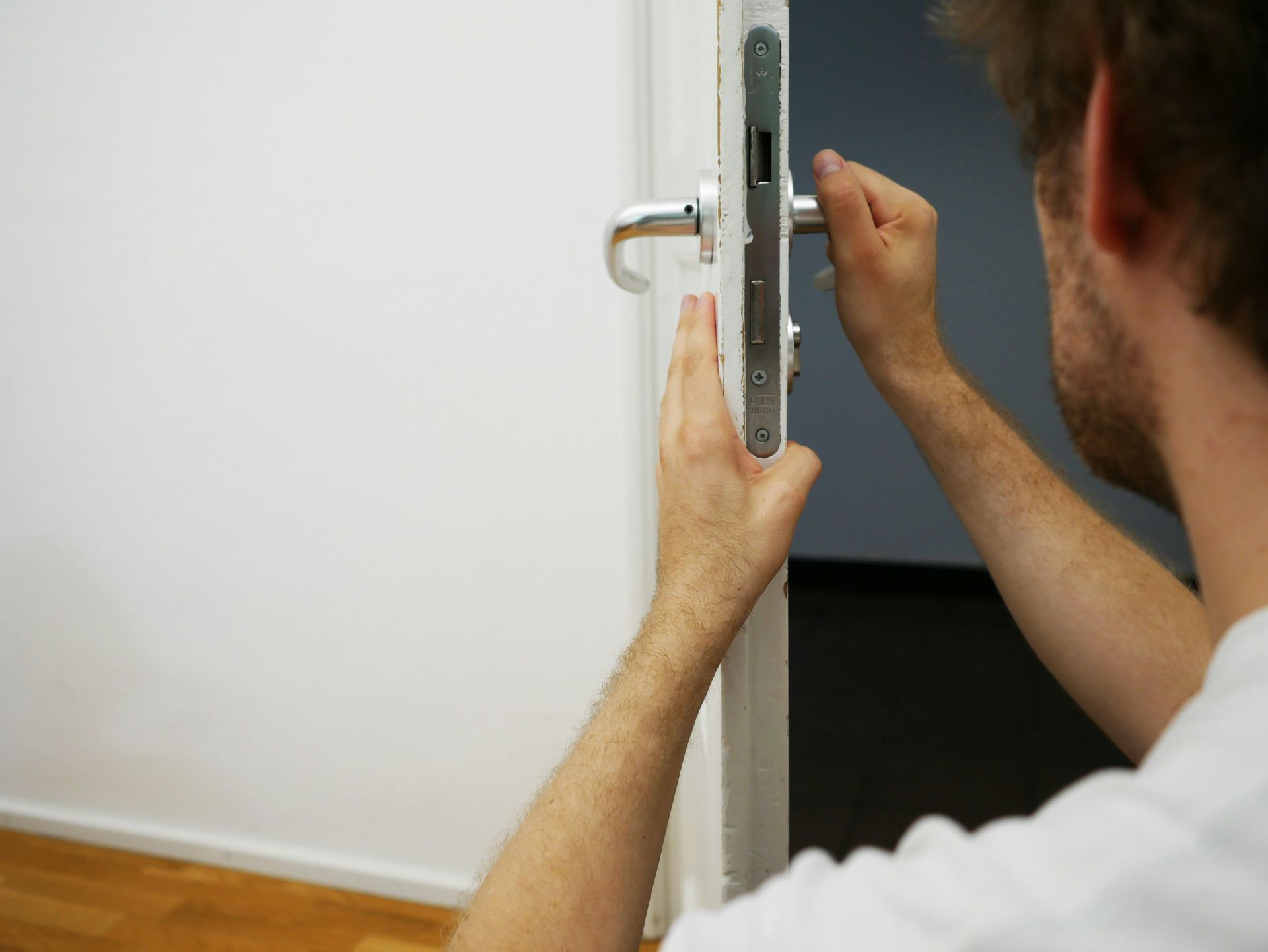
Wooden doors and frames can absorb moisture and expand slightly during damp weather. Temperature and humidity changes can also cause doors to shift enough that the latch or deadbolt no longer lines up properly with the strike plate.
When this happens, the key may turn normally, but the bolt may drag or become difficult to engage.
Forcing the lock can create additional wear. A
locksmith can determine whether the problem involves the lock itself, door alignment, hinges, or the strike plate.
Cold Weather Can Make Existing Problems Worse
Cold conditions can expose issues that were already developing.
Lubricants can become less effective, moisture may collect inside the lock, and tight tolerances can become more noticeable as materials contract. A lock that already felt slightly stiff during warmer weather may become much harder to operate during a cold morning.
Repeatedly forcing a difficult key can bend the key or place extra stress on internal components.
If a lock is becoming noticeably harder to operate as temperatures change, it is better to have the problem inspected before the key breaks or the lock stops working completely.

Coastal Air Can Accelerate Corrosion
Parts of Kitsap County are also influenced by marine air.
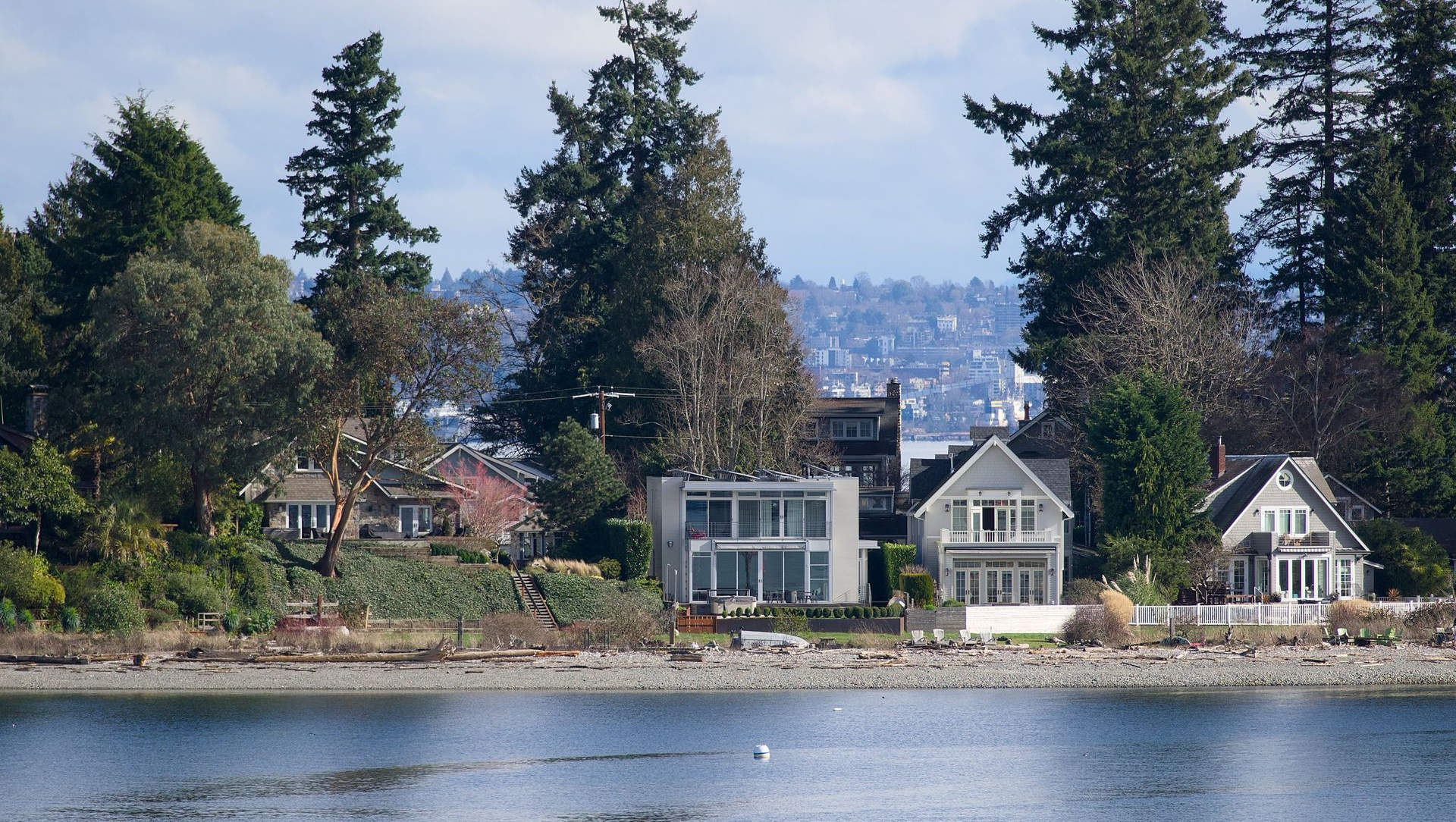
Salt carried through the air can accelerate corrosion on exposed metal surfaces, particularly near waterfront areas. Exterior door hardware, padlocks, gates, and other outdoor locking systems may require more frequent inspection in these environments.
Choosing appropriate hardware and maintaining it properly can help improve long-term reliability.
Maintenance Can Prevent Common Problems
A small amount of preventive care can make a significant difference.
Locks should be kept clean and operated regularly. If lubrication is needed, use a product appropriate for lock mechanisms rather than applying heavy oils or household products that can attract dirt and create buildup.
Property owners should also pay attention to how the entire door operates. If the door needs to be pushed, lifted, or pulled into position before the deadbolt will lock, the alignment issue should be corrected.
A properly aligned door reduces unnecessary stress on the lock.

When Replacement or Rekeying May Be Needed
Not every weather-related problem can be solved with maintenance.
Older locks with significant corrosion, worn internal components, or damaged keyways may be better candidates for replacement. A locksmith can also recommend higher-security or more weather-resistant hardware when appropriate.
If the lock still operates reliably but security circumstances have changed, rekeying may be an option instead of replacing the entire lock.
The right solution depends on the condition of the hardware and how the door is being used.
Keep Exterior Locks Reliable Year-Round
Rain, humidity, temperature changes, and coastal air can all affect exterior locks over time. Stiff keys, rough operation, visible corrosion, and alignment problems are signs that the hardware may need attention.
King’s Mobile Lock provides residential and commercial lock repair, rekeying, replacement, high-security lock installation, access control, and 24/7 emergency locksmith service throughout Kitsap County. As a family-owned, owner-operated company serving the area since 1972, King’s Mobile Lock understands the local conditions that exterior hardware faces. If your locks are becoming difficult to operate, contact King’s Mobile Lock for a professional evaluation before a minor weather-related issue becomes a lockout.

You might also like