When Is Rekeying Better Than Replacing a Lock?
When a key is lost, a tenant moves out, or too many copies of a key are circulating, many people assume the entire lock needs to be replaced.
Often, that is not necessary.
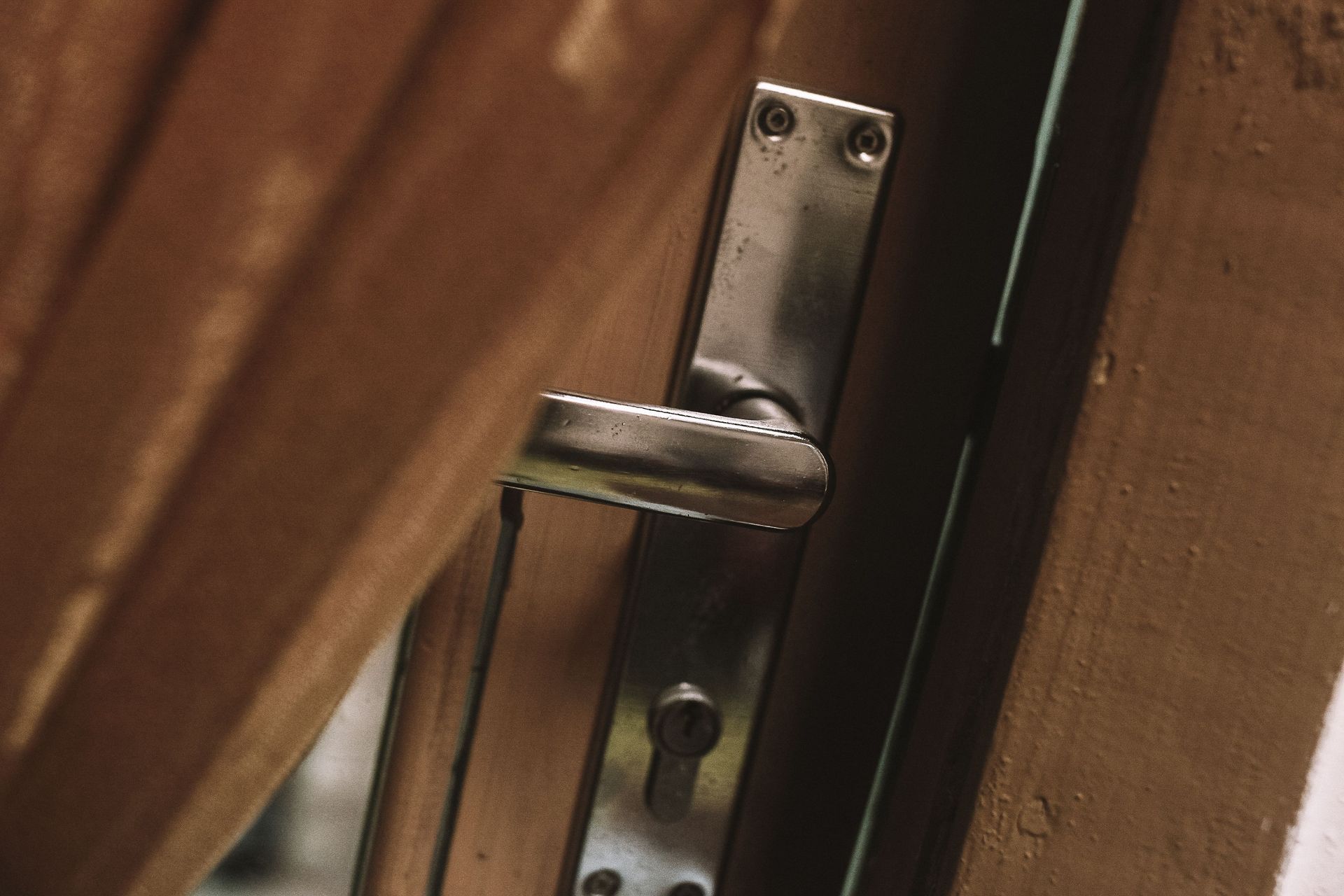
If the existing lock is still in good condition, rekeying may provide the security change you need without replacing the hardware itself. A professional locksmith can change the internal pin configuration so the old key no longer works and a new key operates the lock instead.
For homeowners, landlords, and businesses, that can be a practical way to regain control over who has access.
Rekeying Keeps the Existing Hardware
The biggest difference between rekeying and replacement is what happens to the lock itself.
During rekeying, the lock remains in place.
The locksmith adjusts the internal cylinder so it works with a different key.
Replacement, on the other hand, removes the existing lock and installs new hardware.
If the lock is functioning properly and there is no significant damage, rekeying can often accomplish the main goal: making the old keys useless.

Rekeying Makes Sense After Moving
One of the most common times to rekey a home is immediately after moving in.
Even if the previous owner hands over every key they have, there is no simple way to know how many copies may exist.
Past owners, contractors, neighbors, housekeepers, maintenance workers, or family members may have had keys at some point.
Rekeying establishes a new key system and gives the new homeowner better control over access from the beginning.
Lost Keys Are Another Good Reason
A lost key does not always mean the entire lock should be replaced.
If the hardware is in good condition, rekeying can prevent the missing key from working.
This is especially important if the key was lost with identifying information or if there is a chance someone could connect it to the property.
Instead of replacing several matching locks, a locksmith may be able to rekey them to work with a new key.

Landlords Can Rekey Between Tenants
Rental properties are another common use case.
When a tenant moves out, it is good practice to ensure that old keys no longer provide access to the unit.
Rekeying allows property owners or managers to change access without replacing otherwise serviceable hardware.
For multi-unit properties, consistent rekeying procedures can also support better key control and reduce confusion over which keys belong to which units.
Businesses Can Improve Key Control
Commercial properties often have more complex key-management problems.
Employees change positions, contractors come and go, and keys may be copied without management realizing it.
If a business loses track of who has access, rekeying selected doors may be an effective way to restore control.
In larger facilities, a
locksmith may also recommend a master key system or other key-control strategy to make access easier to manage.

When Replacement Makes More Sense
Rekeying is not always the right solution.
A lock may need replacement if it is damaged, badly worn, unreliable, or outdated.
Replacement may also make sense when a property owner wants to upgrade to stronger hardware, high-security locks, electronic access, or a different style of locking system.
If the door hardware is loose, corroded, difficult to operate, or no longer providing adequate security, installing new hardware may be the better long-term choice.
Several Locks Can Often Be Keyed Alike
Another advantage of rekeying is convenience.
If compatible locks are installed on several exterior doors, they may be able to be rekeyed so one key operates all of them.
That can reduce the number of keys a homeowner or property manager needs to carry and simplify day-to-day access.
A locksmith can inspect the existing hardware and determine whether the locks can be keyed alike.

Cost Is Not the Only Consideration
Rekeying can often be more economical than replacing several locks, but cost should not be the only factor.
Condition, security level, reliability, and future access needs matter too.
A worn lock that keeps sticking may not be worth rekeying if replacement would solve both the access issue and the mechanical problem.
The best decision depends on the hardware already installed and what you need the lock to do.
Choose the Right Solution for the Lock
Rekeying is often the better choice when the hardware is still in good condition but control over the keys has been lost.
King’s Mobile Lock has served Kitsap County and nearby communities since 1972, providing residential, commercial, automotive, safe, and 24/7 emergency locksmith services.
If you are unsure whether your locks should be rekeyed or replaced, contact King’s Mobile Lock for an evaluation. An experienced locksmith can inspect the hardware, explain your options, and help you choose the most practical way to restore secure, controlled access.
You might also like