Protecting Your Valuables: A Guide to Safe Locks and Maintenance
When it comes to protecting your most valuable items, having the right locks and maintenance in place is crucial. Whether you're safeguarding personal possessions, securing your home, or ensuring business security, investing in the right
locksmith services and understanding how to maintain your locks can make all the difference. In this guide, we’ll walk you through the importance of safe locks and provide key tips on maintaining them to ensure your valuables are well-protected.
The Importance of Safe Locks
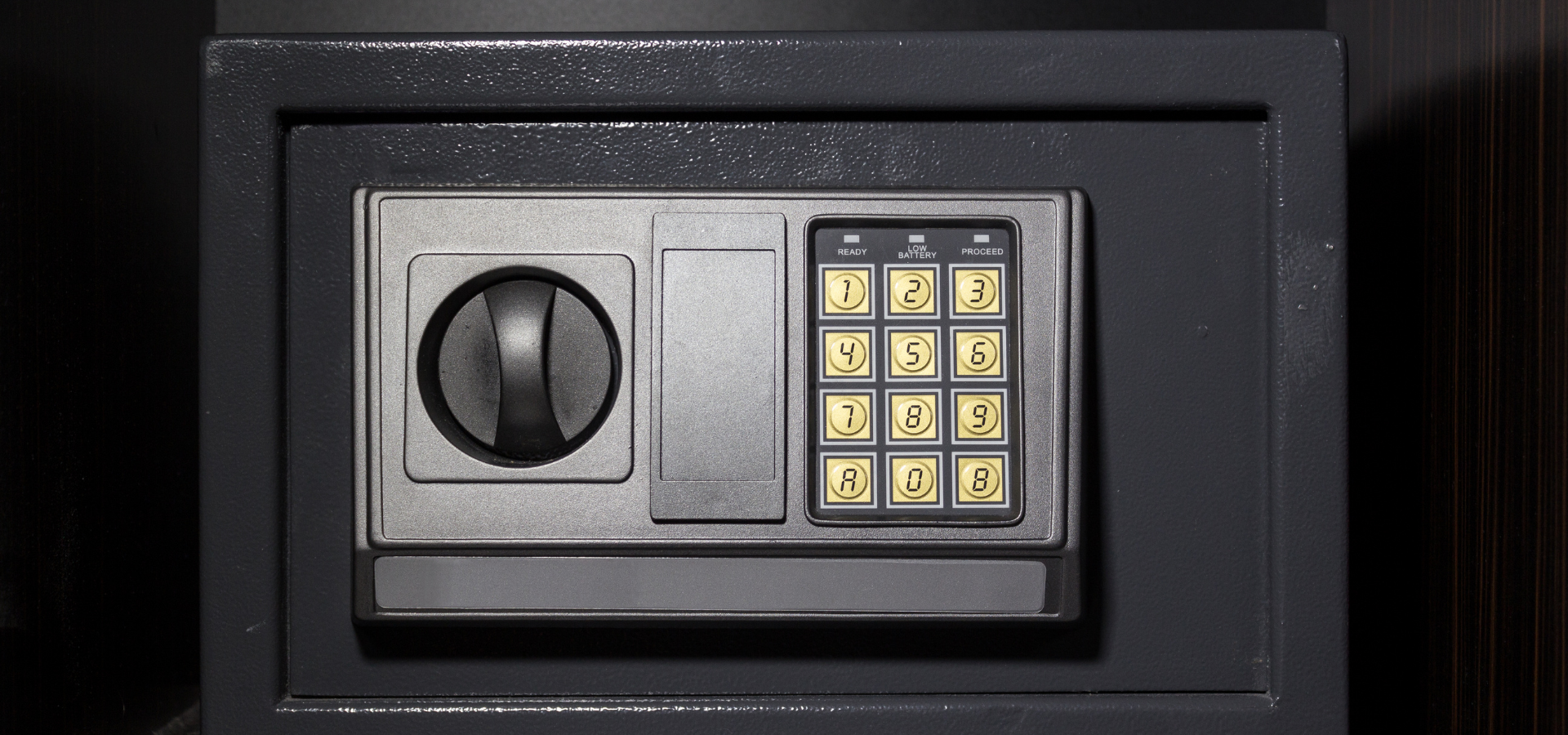
Safe locks are designed to offer the highest level of security for your most important possessions—whether it's your personal jewelry, critical business documents, or sensitive valuables. These locks are built to withstand tampering, forced entry, and theft, offering peace of mind knowing your items are secure. The key to a secure lock system lies in the quality of the lock itself and the expertise of the locksmith who installs it.
At King’s Mobile Lock, we specialize in safe locks and
emergency locksmith services. Our skilled professionals ensure that your safe locks are installed with the highest standards, keeping your valuables safe from unauthorized access.
Safe Locks Maintenance Tips
Proper maintenance of your safe locks is crucial for ensuring the continued protection of your valuables. Over time, wear and tear can cause issues with the locking mechanism, leaving your possessions vulnerable to theft or unauthorized access. By following these simple yet effective maintenance tips, you can extend the life of your safe lock and ensure it functions flawlessly when you need it most.
1. Regularly Test the Lock
It’s important to test your safe lock regularly to ensure it operates smoothly. Open and close the lock a few times to check for any sticking or grinding sounds, which could indicate a problem with the lock mechanism. If the lock feels stiff or hard to turn, it may be a sign that maintenance is needed. Always inspect your safe after any changes to ensure it continues to function as expected. If you notice any issues, it’s best to have the lock inspected and repaired by a professional locksmith. Timely intervention can prevent more costly problems down the road and ensure your safe remains secure.
2. Lubricate the Lock Mechanism
To keep the locking mechanism moving smoothly, use a graphite-based lubricant. Graphite is an excellent choice because it doesn’t attract dirt or dust, which can cause the lock to malfunction over time. Avoid oil-based lubricants, as they can gum up and attract debris, leading to a jammed or sticky lock. Regular lubrication will ensure that your safe lock operates smoothly and efficiently, preventing the buildup of friction that could damage the mechanism. Just apply a small amount of graphite lubricant to the keyhole or turning mechanism, and rotate the lock a few times to distribute it evenly.
3. Secure the Safe Properly
Even the best safe lock can be compromised if the safe itself isn’t properly secured. Make sure that your safe is anchored to the floor or a wall, especially if it’s a portable safe. This will prevent burglars from easily moving the safe or trying to force it open. Most high-quality safes come with anchoring bolts, but if yours doesn’t, it’s worth investing in some heavy-duty bolts to secure it in place. A safe that is anchored properly is much more difficult to steal, and it reduces the chances of tampering or removal. Additionally, consider placing your safe in a discreet, well-hidden location to deter thieves from even attempting to break in.
4. Change the Combination or Key Regularly
For added security, make it a habit to change the combination on your safe lock every 6-12 months or whenever there is a change in personnel, such as employees leaving or a family member moving out. Regularly changing the combination minimizes the risk of unauthorized access, especially if someone has had the code for an extended period. For digital safes, changing the combination is a quick and simple process that significantly enhances your security. For key-operated safes, make sure to replace the keys periodically, particularly if they have been lost or shared with others. It’s better to be proactive than reactive when it comes to maintaining control over who has access to your most valuable possessions.
5. Inspect the Safe’s Structure
Along with maintaining the lock itself, it's essential to inspect the overall structure of the safe. Look for any signs of wear or damage to the hinges, door seals, and locking bolts. Over time, these parts can weaken, which may lead to a compromised lock. Pay attention to any areas that seem worn or show signs of rust or corrosion. If you notice any problems, call a professional locksmith to inspect the safe and recommend the best course of action. Preventative maintenance of the entire safe ensures that every part remains intact and secure, protecting your valuables to the highest standard.
6. Keep the Safe Clean and Dry
Dirt, dust, and moisture can negatively affect your safe’s lock mechanism and structure. Make sure to keep the safe clean by wiping down its exterior regularly with a soft cloth. If your safe is located in a humid area, consider investing in a dehumidifier to keep moisture levels low. Moisture can lead to rust and corrosion of the lock mechanism, which can impair its function. Ensure the interior of the safe remains clean as well, as debris or spills can damage contents over time.
7. Be Mindful of Extreme Temperatures
If your safe is located in an area that experiences extreme temperatures, such as a garage or attic, take steps to protect it. Heat can damage the electronic components of digital locks, while cold temperatures can affect the mechanical components, making it harder for the lock to function. If possible, keep the safe in a climate-controlled room to avoid potential issues caused by extreme temperatures.
Emergency Locksmith Services: Always Ready When You Need Us
Emergencies can happen at any time, and when you’re locked out of your house, car, or safe, it’s important to have a reliable locksmith you can count on. Emergency locksmith services from King’s Mobile Lock provide 24/7 support to help you in any situation. Whether you need quick auto lockout services or a safe lock crisis, our team is ready to assist you.
Protect Your Valuables with King's Mobile Lock
Secure your valuables and enjoy peace of mind with King’s Mobile Lock’s expert locksmith services. Whether you need safe locks, auto lockouts, residential, or commercial locksmith services, our experienced team is here to help. With fast, reliable, and affordable solutions, we’re dedicated to keeping your home, car, and business secure.
Book your appointment now for locksmith services in Bainbridge Island, Bremerton, Gig Harbor, and surrounding areas—let us take care of your security needs!
You might also like