Why Garage Entry Doors Deserve the Same Attention as Front Doors
Homeowners often put the most attention on the front door.
It is the visible entrance, the place where guests arrive, and usually the first door people think about when discussing home security.
But the door connecting the garage to the interior of the house can be just as important.
If that entry point uses an older lock, a weak latch, or hardware that has not been rekeyed in years, it may create an unnecessary security gap.
That is why garage entry doors deserve the same careful attention as any primary entrance.
Garages Often Provide Direct Interior Access
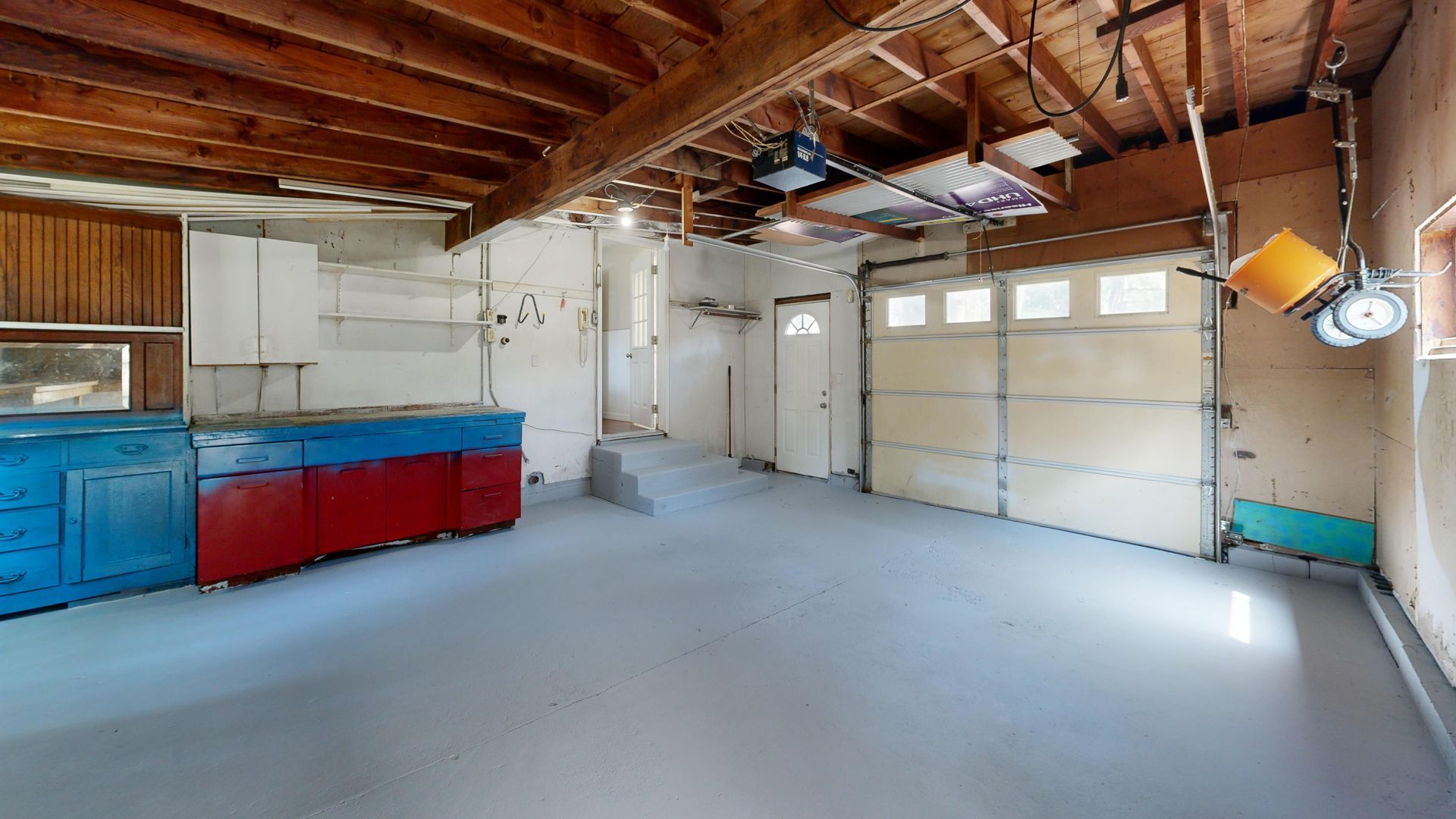
For many homes, the garage door is one of the most frequently used entry points.
Family members may come and go through it every day.
That convenience can make the connecting interior door easy to overlook.
But once someone is inside the garage, that door may be the last barrier between the garage and the living space.
A strong lock and properly functioning hardware can help make that barrier more effective.
King’s Mobile Lock can evaluate the lock,
strike plate, keying, and overall condition of the door to help homeowners identify weak points.

Old Keys Can Create Unknown Access
Garage entry doors are sometimes left with the same locks for many years.
Over time, spare keys may have been given to relatives, contractors, cleaners, neighbors, former tenants, or service providers.
Homeowners may no longer know exactly how many copies exist.
That does not always mean the lock hardware needs to be replaced.
In many cases, rekeying can change which keys operate the lock while allowing the existing hardware to remain in place.
For homeowners who have recently moved or changed who has access to the property, that can be a practical security step.
The Door Frame Matters Too
A strong lock cannot perform well if the surrounding door and frame are weak.
Loose strike plates, short screws, damaged wood, or misaligned doors can all affect how securely the lock engages.
The latch should enter the strike cleanly, and the deadbolt should extend fully without resistance.
If the door has to be pushed, lifted, or pulled hard to lock, that may indicate an alignment issue.
A
locksmith can help determine whether the problem is with the lock itself or the way the door and frame are working together.
Convenience Should Not Replace Security
Some homeowners leave the garage entry door unlocked because the exterior garage door is closed. That can be convenient, but it places all of the security responsibility on the garage door system.
If the garage is opened accidentally, a remote is lost, or access is gained another way, an unlocked interior door removes another layer of protection.
Locking the connecting door creates a second barrier.
That simple habit can be especially important at night or when the home is empty.
Rekeying Can Simplify the Whole House
If different doors use different keys, everyday access can become unnecessarily complicated.
A rekeying service may allow compatible locks to operate with the same key, depending on the hardware.
That can make it easier to secure the front door, back door, garage entry, and other access points without carrying a large key ring.
King’s Mobile Lock can help homeowners determine whether existing locks can be coordinated into a simpler system.
Garage Security Matters During a Move
A new homeowner usually knows that the front door should be rekeyed.
The garage entry door should be included in that same conversation.
Previous owners may have distributed garage remotes and keys over many years.
Rekeying the interior garage door and reviewing the other locks on the property can help establish control over access from the beginning.
Treat Every Entrance as Part of One System
Home security works best when every entry point receives appropriate attention. A secure front door is valuable, but it should not be paired with an overlooked garage entry.
King’s Mobile Lock has served Kitsap County since 1972 with residential, commercial, automotive, and safe locksmith services, including 24/7 emergency assistance.
If your garage entry lock is old, difficult to operate, keyed differently from the rest of the home, or has not been changed since you moved in, King’s Mobile Lock can help evaluate the setup and recommend a practical solution.
Every door that leads into the home should be treated like an important door.
You might also like