Why New Homeowners Should Consider Rekeying on Day One
Getting the keys to a new home feels like the final step in a long process.
But from a security standpoint, it should also be the beginning of a reset.
When you buy a house, you usually receive the keys the previous owner hands over. What you do not necessarily receive is a complete history of every copy ever made.
Former owners, relatives, contractors, cleaners, pet sitters, neighbors, real estate professionals, and maintenance workers may all have had legitimate access at some point.
That is why rekeying should be one of the first security steps a new homeowner considers.
You Cannot Always Know How Many Keys Exist
A key may have been copied years ago and forgotten.
That does not automatically mean anyone intends to misuse it.
The issue is simply that the new homeowner has no reliable way to know how many working copies are still out there.
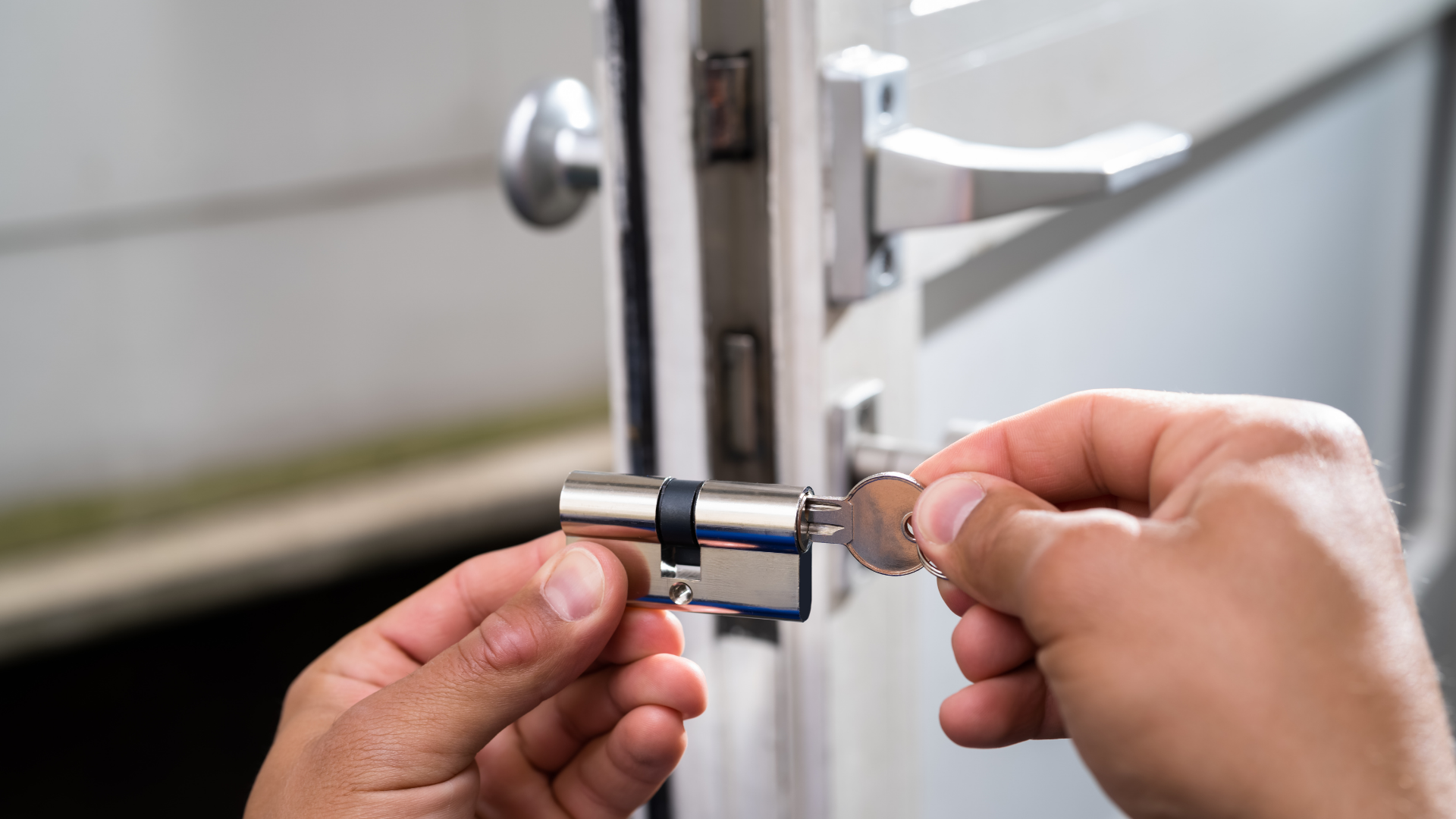
Rekeying solves that problem by changing the internal configuration of the lock so the old keys no longer work.
The homeowner receives new keys and starts with a cleaner, more controlled access situation.
Rekeying Is Different From Replacing the Locks
Many people assume they need entirely new hardware after buying a house.
That is not always necessary.
If the existing locks are in good condition and suitable for the doors, they may be able to be rekeyed instead.
That can be a practical option because it preserves the existing hardware while changing who has access.
If the locks are worn, damaged, outdated, or do not meet the homeowner's needs, replacement may make more sense.
King’s Mobile Lock can evaluate the existing locks and help determine whether rekeying or replacement is the better approach.
Check More Than the Front Door
The front door is only one part of the home.
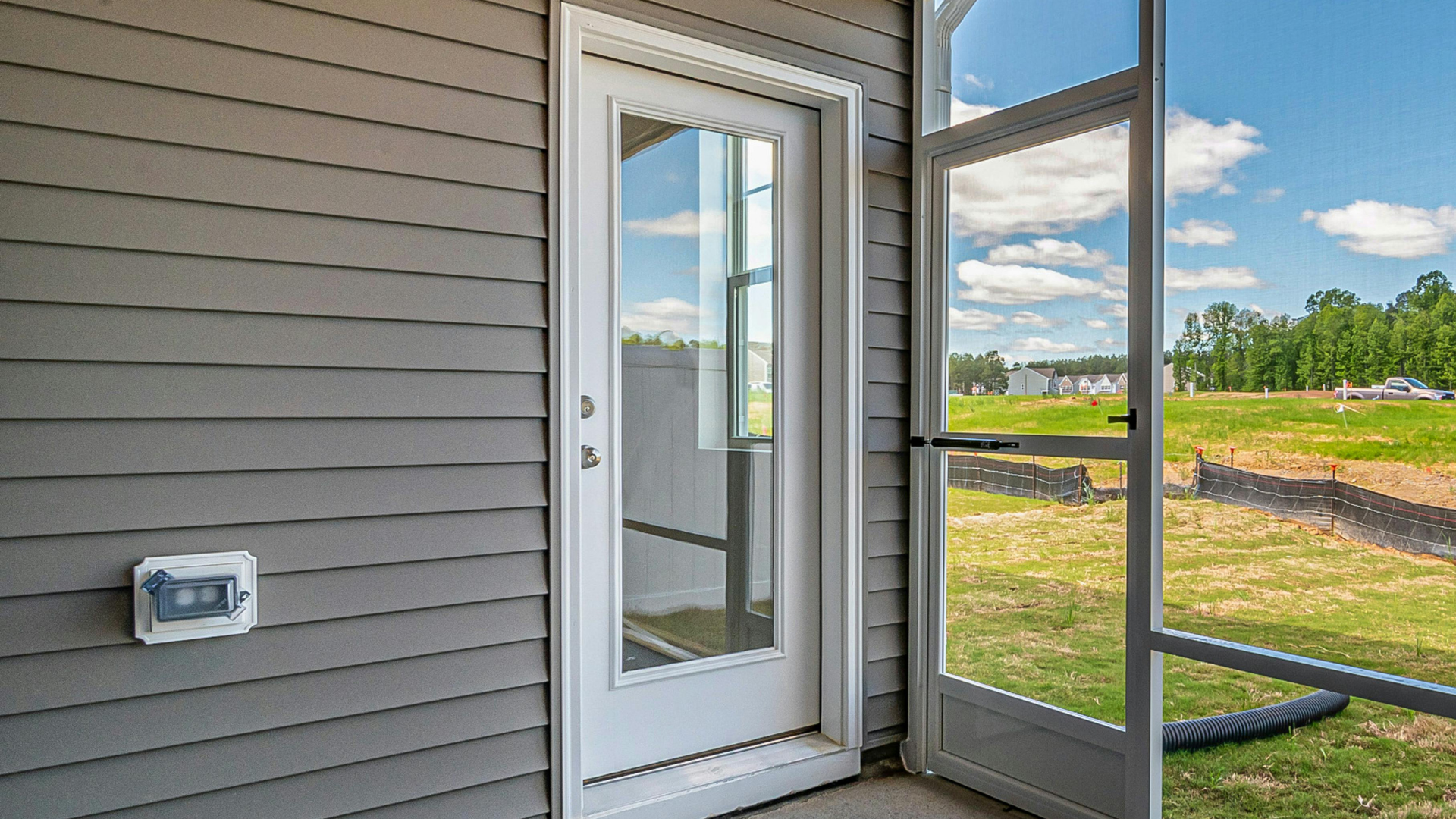
New homeowners should also think about side doors, back doors, garage entry doors, detached buildings, mailbox locks, and any other exterior access points.
Sometimes a house has several different keys because locks were replaced at different times.
Rekeying can also be an opportunity to simplify that setup.
Depending on the hardware, multiple doors may be able to work with one key, making access easier to manage.
Garage Access Deserves Attention Too
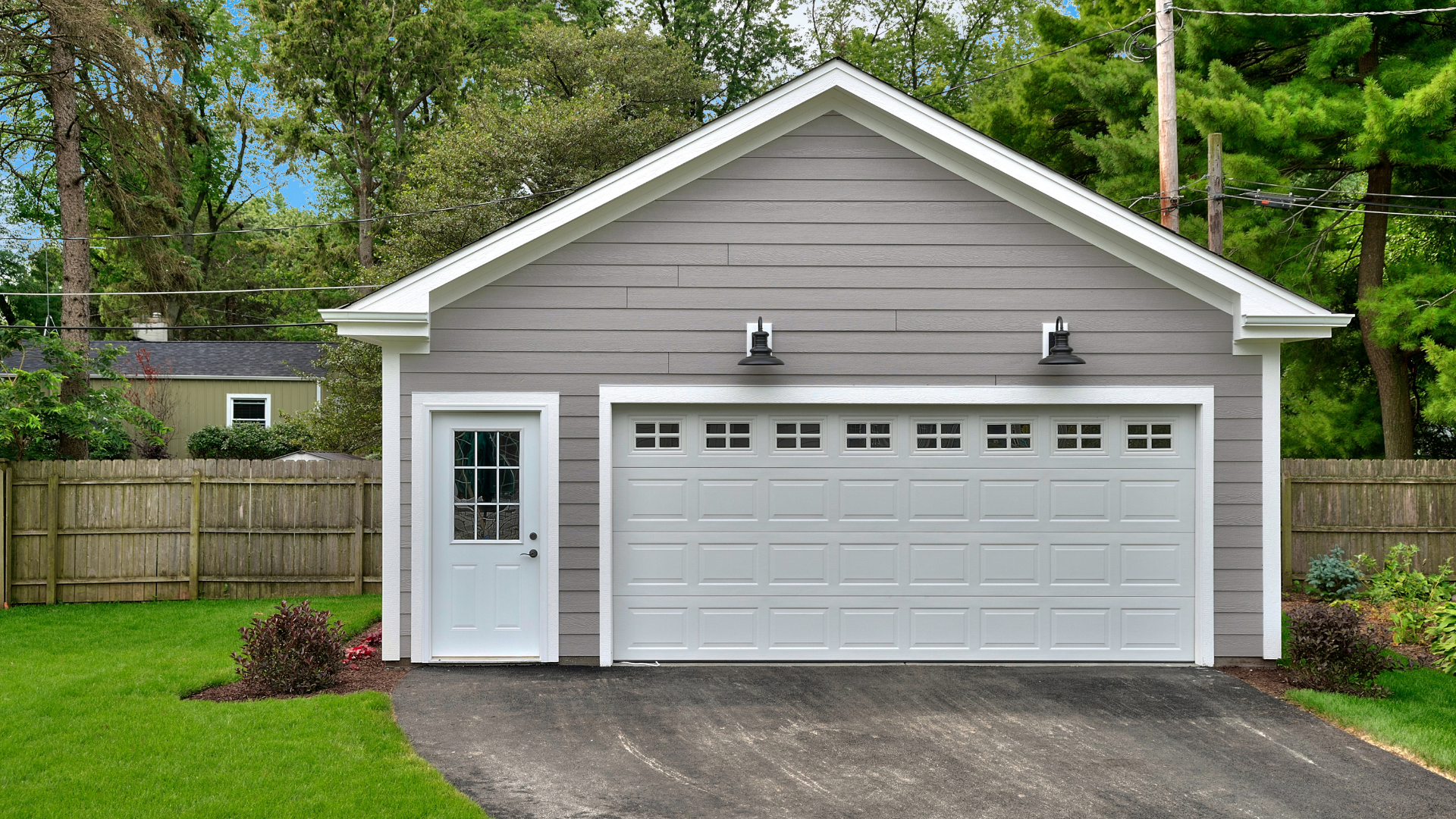
The door between an attached garage and the home is easy to overlook.
But if someone can get into the garage and still has a key to that interior door, changing only the front door lock may leave an unnecessary gap.
A complete security reset should consider how the property is actually entered.
The same applies to detached garages, sheds, gates, and other areas that may use separate locks.
Moving Day Is the Best Time to Reset Access
It is easy to put rekeying off.
Boxes need unpacking.
Utilities need to be set up.
Furniture needs to be moved.
Security tasks can slide down the list.
But the first few days of ownership are actually the best time to handle access control because the transition is already happening.
Once the locks are rekeyed, every new spare key can be issued intentionally.
That makes it much easier to keep track of who has access going forward.
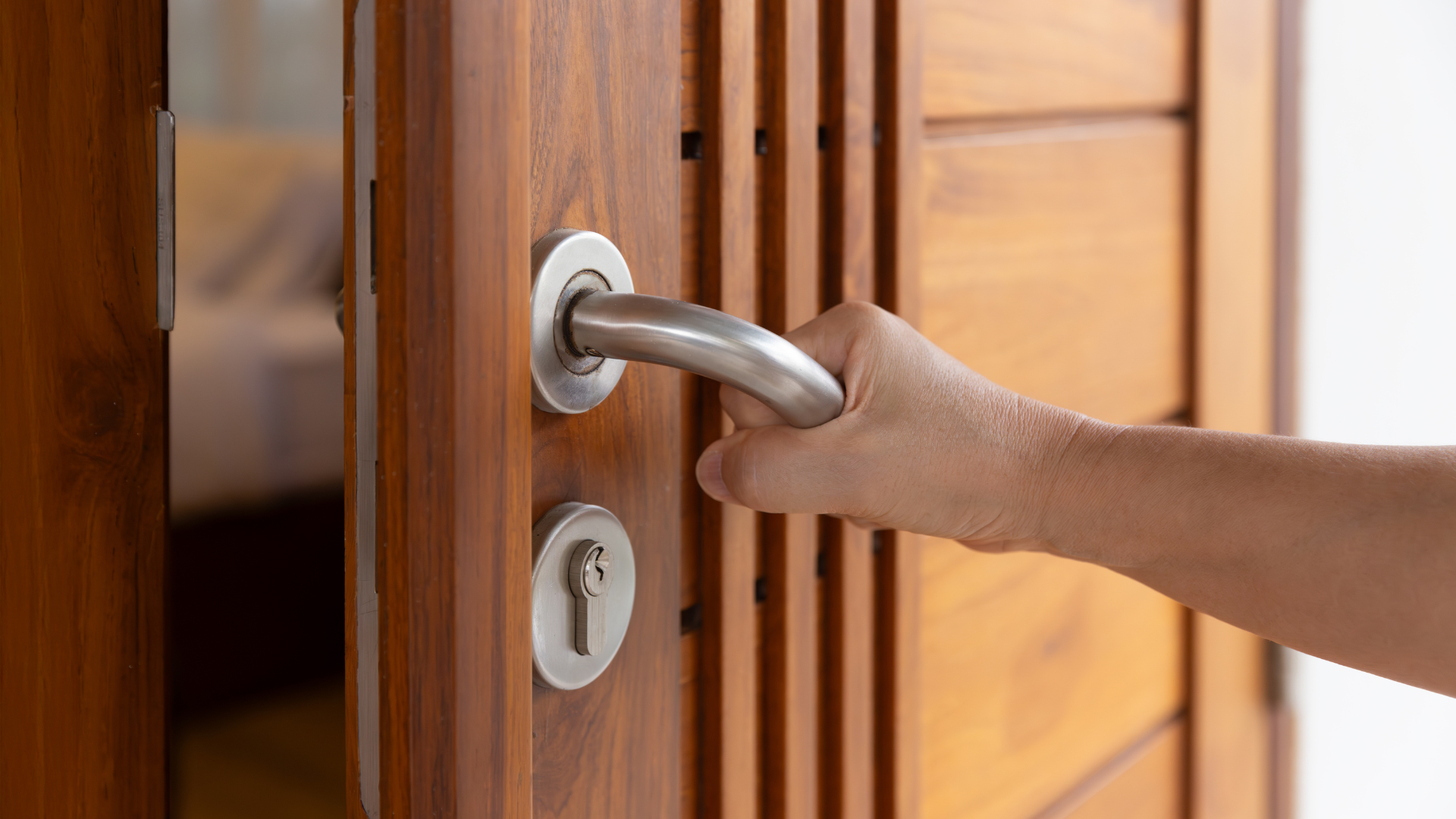
Use the Opportunity to Review the Hardware
A home purchase is also a good time to look at the condition of the locks themselves.
Do they turn smoothly?
Are deadbolts aligned correctly?
Are door frames solid?
Do exterior doors close and latch properly?
A strong lock cannot do much if the surrounding door or frame is badly damaged.
King’s Mobile Lock can help identify whether rekeying is enough or whether certain doors would benefit from lock repair, replacement, or higher-security hardware.
Start With Access You Control
Moving into a new house should come with confidence that the keys in your hand are the keys that matter.
Rekeying does not mean you distrust the previous owner.
It simply means you are taking responsibility for access now that the property belongs to you.
King’s Mobile Lock has served Kitsap County and nearby communities since 1972 with residential, commercial, automotive, safe, and 24/7 emergency locksmith services.
If you have just purchased a home, contact King’s Mobile Lock to discuss rekeying, lock replacement, mailbox locks, or a broader security review so you can start ownership with clearer control over who can get inside.
You might also like